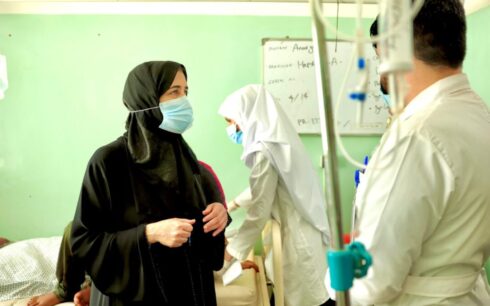
Afghanistan’s fragile health system continues to face mounting pressure, with millions of people struggling to access basic care amid economic hardship, natural disasters and the long aftermath of conflict, the International Committee of the Red Cross said in a statement marking World Health Day.
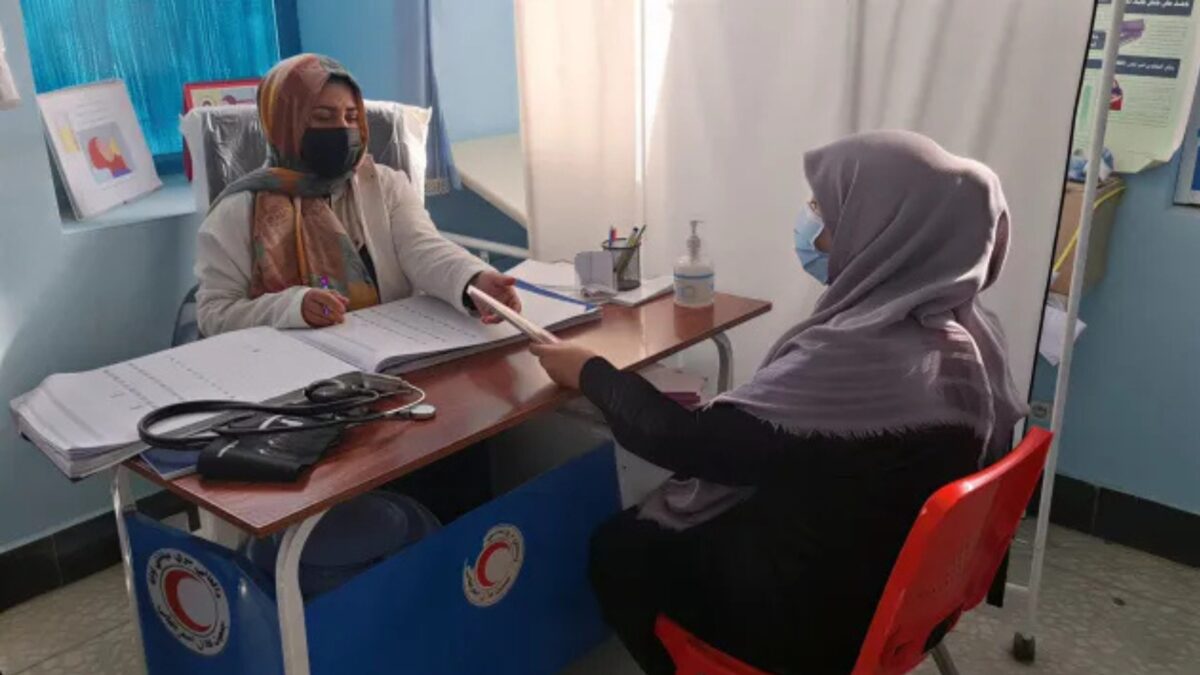
The organization said its support to 46 primary health clinics and one district hospital, run by the Afghan Red Crescent Society, played a critical role in delivering care to vulnerable populations over the past year.
The ICRC said that in 2025, about 1.2 million patients — most of them women and children — received preventive services and early treatment at these clinics, helping to reduce strain on an already overstretched hospital system.
The need remains vast, the ICRC said, adding that the United Nations estimates that more than 14.4 million people in Afghanistan will require humanitarian health assistance in 2026, reflecting the country’s deepening crisis.
A system under strain
Decades of conflict have left Afghanistan’s health sector heavily dependent on international aid. That reliance has become more acute as economic conditions have deteriorated, leaving many families unable to afford private medical care.
For many communities, particularly in rural and underserved areas, clinics supported by humanitarian organizations are often the only accessible source of treatment.
Akhtar Mohammad, a resident of Kandahar, said he has relied on such a clinic for years. He recently brought his young daughter there for treatment after she developed flu symptoms, describing the facility as essential to his family’s well-being.
Nutrition services have also been expanded, with support from organizations including UNICEF and the World Food Program. The Red Cross said it continues to supply therapeutic food to clinics not covered by other aid programs, addressing high levels of malnutrition.
Beyond primary care, the Red Cross has worked to strengthen emergency medical services across the country.
Through its Emergency Department Support program, the organization said it has helped improve hospital capacity by upgrading infrastructure, providing equipment and training staff to respond to mass-casualty incidents.
In 2024 and 2025, support was extended to hospitals in provinces including Ghazni, Khost, Paktia and Baghlan, reflecting what the group described as an effort to adapt to evolving humanitarian needs.
The Red Cross said its work with Taliban’s health authorities, including the Ministry of Public Health, aims to sustain essential services through a combination of primary care, emergency support and rehabilitation programs.
But the scale of need continues to outpace available resources, it added.
With millions dependent on humanitarian assistance and access to care uneven across the country, analysts say such instances show the central role of aid organizations in maintaining Afghanistan’s health system, and the risks if that support declines.