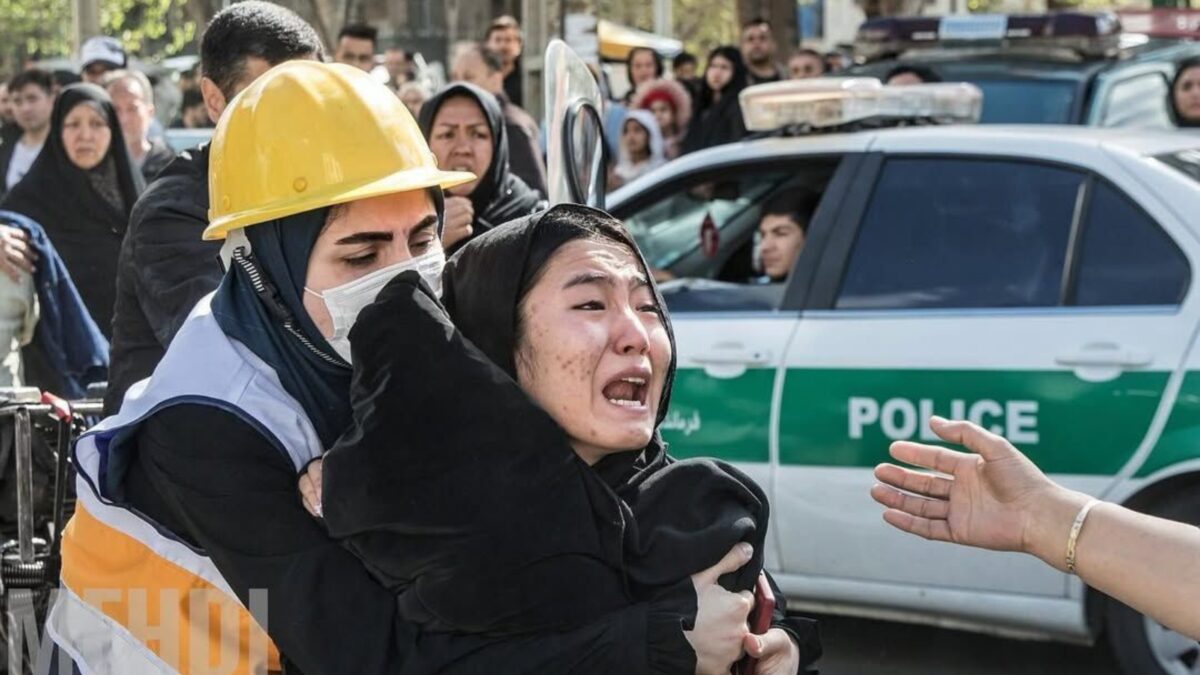
The bodies of 13 Afghan migrants killed in a strike in Tehran have been buried, Iranian state media reported on Tuesday.
The Tasnim News Agency, which is close to Iran’s Islamic Revolutionary Guard Corps, reported that the victims — all Afghan nationals living in Iran — were killed in a missile attack in a neighborhood known as “13 Aban” in the Tehran.
Earlier reports from Iranian media had cited lower figures. Initial accounts said that at least 10 people, including six members of an Afghan migrant family, were killed in a missile strike on a residential area in the town of Ray, south of Tehran. Several Iranian citizens were also reported killed or injured in the same incident.
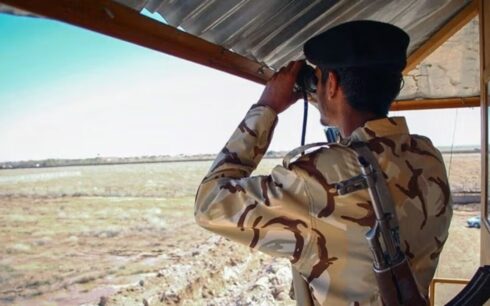
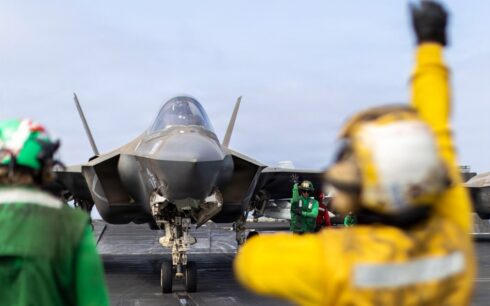
The incident comes amid heightened regional tensions and ongoing conflict involving Iran, Israel and the United States. Civilian areas have been affected in some of the reported attacks, raising concerns about the protection of noncombatants.
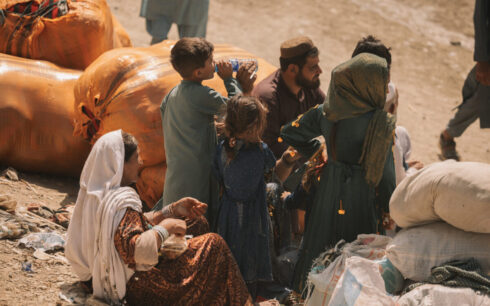
Iran is one of the largest hosts of Afghan migrants in the region. According to United Nations estimates, between 3 million and 4 million Afghan migrants and refugees currently live in Iran, some of whom lack formal residency documents.
The UN High Commissioner for Refugees says that of these millions, about 1.65 million have at least some form of legal documentation to stay in the country, and 99 percent of them live in urban areas.
The agency says most migrants are concentrated in the provinces of Tehran, Razavi Khorasan, Isfahan, Kerman, Fars and Qom. As a result, any attacks on major urban centers or disruptions to city services could disproportionately affect Afghan migrants.
The United Nations notes that even before the current conflict, Afghan migrants in Iran were already facing pressure from inflation, rising living costs, limited access to work, tighter residency restrictions and deportations.
In addition to the direct risk of attacks, widespread internet shutdowns in Iran have created new challenges for migrants. Reports indicate that outages in recent weeks have made it nearly impossible for many migrants to communicate with their families in Afghanistan.
The United Nations says that since the beginning of 2026, at least 86,253 migrants have returned from Iran to Afghanistan. During the 12-day conflict between Israel and Iran last June, returns surged significantly, with thousands crossing back each day. However, data from Taliban authorities now suggest that the number has fallen to between 10 and 100 people per day.
Returnees from Iran say they face severe shortages of jobs, limited access to education and other hardships.
Aid organizations have warned that large-scale returns are placing additional strain on Afghanistan’s humanitarian situation, as the country continues to face an economic crisis and a lack of basic services.