Iran’s future remains deeply uncertain after state media confirmed that Ayatollah Ali Khamenei, the country’s supreme leader since 1989, was killed in a joint military strike by the United States and Israel, officials and analysts said. The announcement on Sunday set off a political and strategic crisis in Tehran and raised the specter of wider instability throughout the region.
Khamenei, 86, wielded unparalleled authority over Iran’s political, military and judicial institutions, guiding its domestic policies and championing an assertive foreign policy that opposed US and Israeli influence. His death leaves a leadership vacuum at the top of the theocratic system he shaped for nearly four decades.
Iranian state media, including IRNA, reported the confirmation early Sunday, days after President Donald Trump and Israeli officials said the strikes had targeted Khamenei and his senior aides. The government in Tehran declared a 40-day period of mourning and acknowledged the loss of a leader whose authority had been central to the Islamic Republic’s survival and direction.
The Iranian constitution does not name a clear successor to the supreme leader, and analysts warn that the absence of a designated heir could trigger internal power struggles within the country’s clerical and military elite. In the days after the strikes, Iranian security officials signaled the start of a transition process, though details remained sparse, and there has been no publicly acknowledged successor.
The turmoil has unveiled deep domestic divisions. Video clips circulating on social media show celebrations in parts of Tehran and other cities, while state media outlets captured mourning and grief in other quarters, illustrating the fractured public response to the leader’s death.
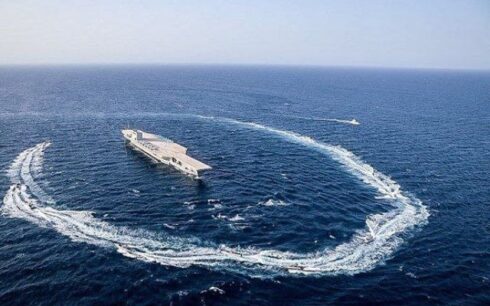
The repercussions are being felt well beyond Iran’s borders. In retaliation for the strikes, Iranian forces launched missiles and drones toward Israel and American military installations in the Gulf, according to regional officials, prompting airspace closures and stranding travelers across the Middle East. Qatar said at least eight people were wounded in Iranian attacks early Sunday.
Israeli authorities reported further barrages of missiles toward their territory on Sunday, and rescue services said at least one person was killed and more than 100 were injured in the first 24 hours of the conflict.
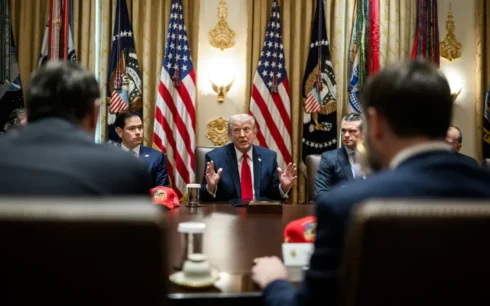
In Washington, lawmakers prepared for a rare debate over the president’s war powers, with bipartisan discussion underway about whether Mr. Trump needs congressional authorization for continued military operations in Iran.
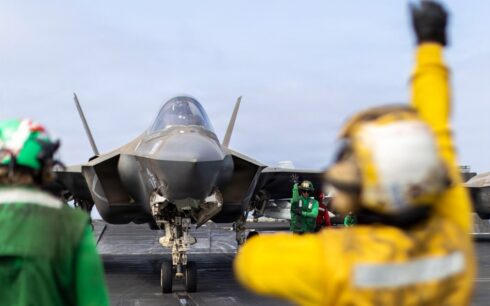
The military campaign — described by US officials as designed to degrade Tehran’s ability to project power — followed months of planning amid stalled negotiations over Iran’s nuclear program and rising tensions in the region.
How Iran navigates the weeks and months ahead — whether through a managed transition of authority, internal unrest or further confrontation with external adversaries — remains one of the most consequential unanswered questions in Middle Eastern politics.