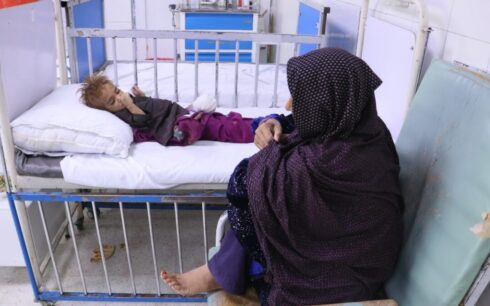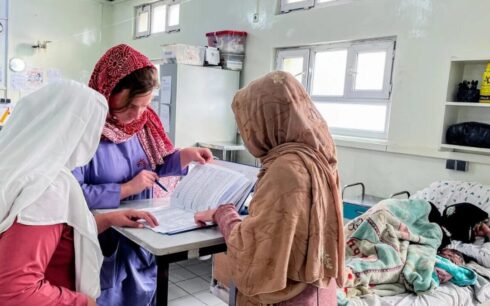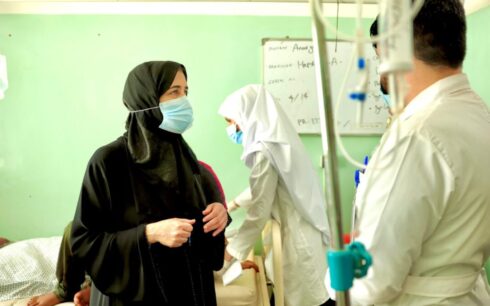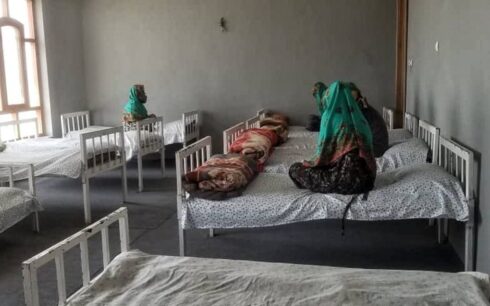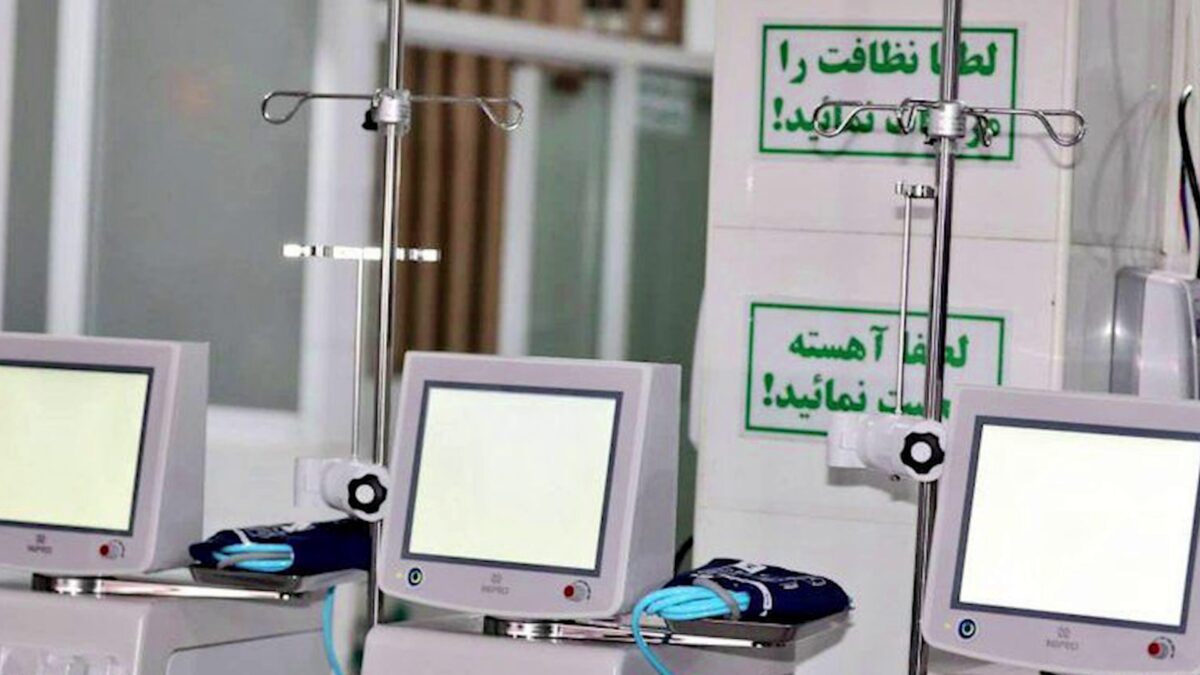
Hospitals in the western city of Herat are facing a critical shortage of dialysis supplies after a halt in medicine imports from Pakistan, with some patients saying they have spent the past two weeks trying to find the materials needed for treatment.
The disruption has left dozens of kidney patients in increasingly fragile condition, as both public and private hospitals struggle to obtain the disposable materials required for dialysis — a treatment that sustains patients whose kidneys have failed.
In recent nights, families have gathered outside Herat’s regional hospital, some arriving after midnight in search of supplies for relatives in need of urgent care, residents said. Medical staff confirmed that since the imports were suspended, patients have been unable to secure the filters and other materials essential for blood purification.
Taliban officials have not publicly addressed the reported shortages. Local sources attribute them to a ban on Pakistani medicines imposed amid rising political tensions between Taliban and Islamabad.
“Unfortunately, our public hospital is facing a shortage of dialysis supplies,” said a medical worker in Herat, who spoke on condition of anonymity for fear of reprisal. “This has created serious problems for patients.”
Staff members said the dialysis machines at Herat’s main public hospital were provided by the United Arab Emirates, but the disposable supplies used in each session were distributed through Pakistan. Though manufactured in various countries, those materials had reached Afghanistan largely via Pakistani import channels, they said.
Without regular dialysis, which removes waste and excess fluid from the blood, patients can face life-threatening complications.
One man who said he has been undergoing dialysis for two years described being turned away repeatedly. “At the public hospital, they tell me there are no supplies,” he said. “Private hospitals say the same. I don’t know what to do.”
Video from a private hospital in central Herat, identified by local sources as Habibyar Hospital, shows patients waiting for treatment as supplies run low. Medical workers warned that prolonged shortages could quickly become fatal for those requiring dialysis several times a week.
Although medicines from other countries continue to enter Afghanistan, health workers said alternative supply routes have not been sufficient to meet demand. Residents and doctors said the suspension of Pakistani imports has deepened strain on a health system already under severe economic pressure.