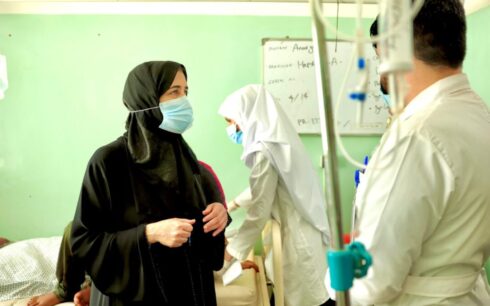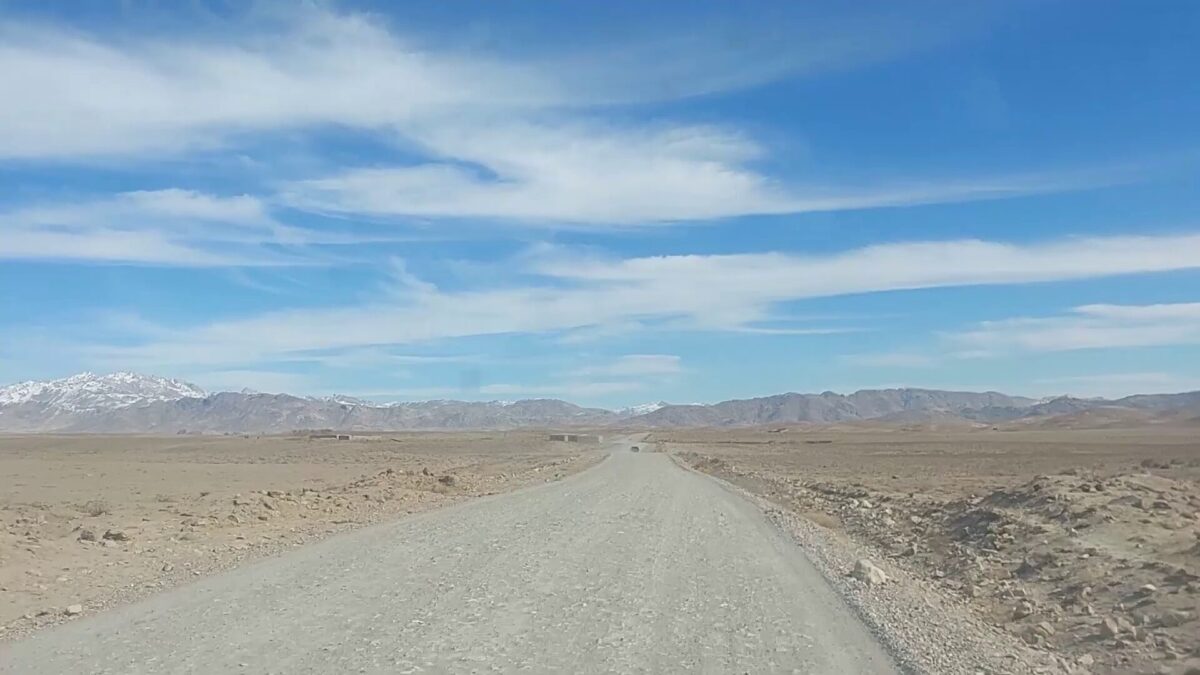
Residents of Miyanshin district in Afghanistan’s southern Kandahar province say years of limited access to basic healthcare services have left patients at serious risk, forcing families to travel long distances for treatment, often with fatal consequences.
Miyanshin, a remote and mountainous district, lacks functioning health centres and trained medical staff, residents said, adding that even nearby clinics are poorly equipped and short of medicines.
“There is no clinic here,” said Naqibullah, a resident of Miyanshin. “We want a clinic to be rebuilt. Even clinics in neighbouring districts do not have medicine or facilities. Reaching them takes at least an hour, and many patients die on the way or their condition worsens.”
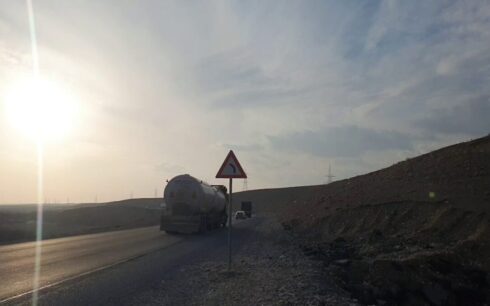
Residents said the absence of healthcare is particularly dangerous at night, when transportation is scarce and emergency referrals become difficult.
“When someone falls seriously ill at night, we have to search the village for a vehicle,” said Rozi Gul, another resident. “Sometimes the cost is 10,000 to 15,000 afghanis. We take the patient to Kandahar city, but either they die on the road or arrive in critical condition.”
Miyanshin is among several rural districts across Afghanistan where access to healthcare has deteriorated amid shortages of funding, infrastructure and medical personnel, particularly since the Taliban returned to power in 2021. Aid agencies have warned that remote communities are disproportionately affected, with women, children and the elderly most at risk.
Residents of Miyanshin have called on local authorities and health organisations to urgently address the situation by establishing equipped health centres and ensuring the presence of trained medical staff to prevent avoidable deaths.
Afghanistan’s health system remains heavily dependent on international aid, with many facilities operating at reduced capacity or facing closure due to funding constraints, according to the United Nations and humanitarian groups.