Amnesty International on Tuesday condemned the Taliban’s decision to revoke the operating licences of several independent organisations supporting journalists and media outlets, calling it part of a sustained campaign to suppress media freedom in Afghanistan.
In a statement, Amnesty said the move was aimed at silencing independent voices and dismantling institutions that defend press freedom, and urged the Taliban to immediately reverse the decision.
“Revoking the licences of independent organisations supporting journalists and media outlets is part of the Taliban’s relentless campaign to suppress and eliminate media freedom in Afghanistan,” Amnesty said, calling on the authorities to ensure the groups can operate freely and without intimidation.
The Taliban have cancelled the licences of at least 10 organisations that support journalists and media workers, a rare and sweeping move that media advocates say represents an escalation in censorship and state control of the press.
Taliban have allowed only three organisations to continue operating, according to sources familiar with the decision. Those groups are the Afghanistan Journalists and Media Support Organisation, the Afghan Press Centre and the Journalist Safety Committee. The Free Journalists Union of Afghanistan, which holds a formal licence from the Taliban-run justice ministry, was not affected by the restrictions.
Habib Ghufran, spokesperson for the Taliban’s Ministry of Information and Culture, said some of the organisations whose licences were revoked were “ineffective,” adding that allowing three groups to continue working would improve transparency and support for journalists.
Media rights groups and journalists dispute that claim, saying the move is part of a broader effort to control media activity and suppress criticism.
Over the past four years, the Taliban have imposed sweeping restrictions on media outlets and journalists, including dissolving or altering laws on access to information and dismantling oversight bodies for media violations.
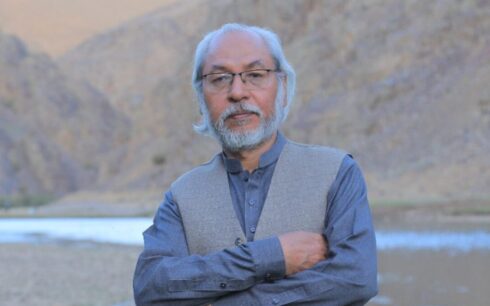
Mujib Khalwatgar, head of Nai in Exile, a media advocacy group Supporting Open Media in Afghanistan, said the licence revocations amounted to an organised attempt to silence independent journalism.
“This is a systematic action to suppress freedom of expression,” he said. “The Taliban are trying to eliminate critical voices and force media outlets to operate according to their demands.”
Journalists say press freedom in Afghanistan has sharply deteriorated since the Taliban returned to power in 2021, citing arrests, intimidation and the imposition of strict editorial guidelines.
According to media rights organisations, the Taliban have also banned the broadcast of images of living beings in more than 17 provinces, further restricting the ability of media outlets to report freely.
The Taliban say their media regulations are based on Islamic principles, but rights groups warn the measures risk erasing independent journalism in Afghanistan.