Pakistan deported more than 16,600 migrants over the past week, according to figures compiled from statements by the Taliban-run High Commission for Refugees Affairs.
The data show that between Jan. 17 and Jan. 23, Pakistan expelled 16,610 individuals, while a further 744 were returned from Iran, with most of the deportations carried out forcibly.
The returnees entered Afghanistan through several border crossings, including Torkham, Spin Boldak, Bahramcha, Pul-e-Abresham and Islam Qala, the commission said.
The latest expulsions follow a similar wave a week earlier, when Pakistan deported 16,247 individuals and Iran expelled 802 more, underscoring a sustained rise in returns from neighbouring countries over the past two years.
The United Nations has previously said that around 2.6 million migrants returned to Afghanistan in 2025, many of them abruptly and with little preparation. Aid agencies have warned that large-scale returns are placing severe strain on Afghanistan’s already limited resources.
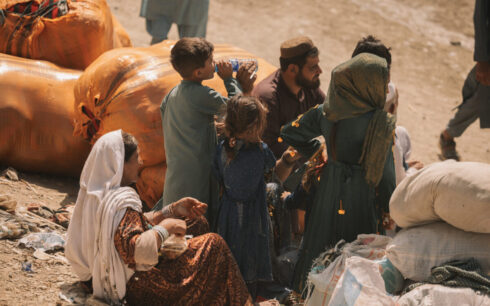
Many returnees arrive with no shelter, income or access to basic services, according to humanitarian organisations, at a time when Afghanistan is grappling with widespread poverty, unemployment and reduced international aid.
The UN has cautioned that without increased assistance, returnees face heightened risks of food insecurity, inadequate healthcare and exposure to harsh winter conditions, particularly women, children and the elderly.
Pakistan and Iran have stepped up deportations as part of broader efforts to curb undocumented migration, a move that has drawn concern from aid groups amid Afghanistan’s ongoing humanitarian crisis.