Restrictions imposed by the Taliban on women and girls in Afghanistan intensified in 2025, with continued bans on education, work and public life, as well as tighter controls on women’s movement and dress, according to residents, rights advocates and the United Nations.
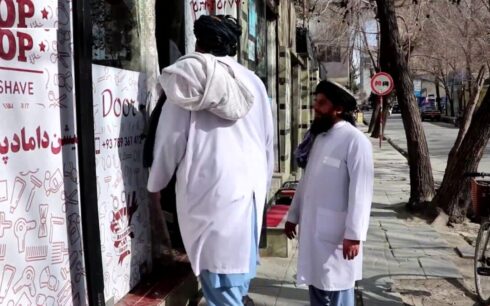
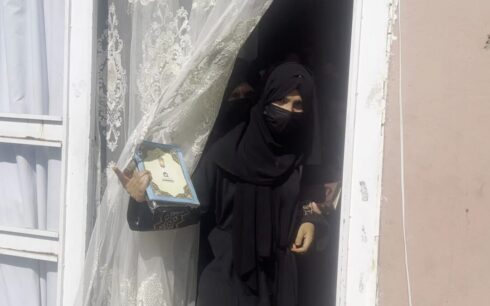
In Kabul, dozens of women were detained during the year for failing to comply with Taliban-mandated dress codes, while in several provinces, including Herat, Taliban enforced stricter rules requiring women to wear the burqa, residents said.
The Taliban also continued to remove or suspend female staff from universities and barred women from working for United Nations agencies, preventing female employees from entering UN offices following an order issued by Taliban leader Hibatullah Akhundzada in September.
The restrictions have had far-reaching social and economic consequences. Narges, whose name has been changed for security reasons, said her family’s income collapsed after her father, a former driver for a foreign organisation, and her mother, a former government employee, lost their jobs following the Taliban takeover.
With girls barred from secondary education and the family facing severe financial hardship, Narges said she was forced into marriage to a man 17 years older than her in exchange for 700,000 Afghanis.
“Like millions of girls in Afghanistan, I had dreams of studying and building a future,” she said. “When schools closed and my family lost its income, I had no choice. Because I am a girl, I had no right to decide my own future.”
In higher education, universities across the country continued to dismiss or sideline female lecturers and staff. At Herat University alone, 81 female employees and teachers were removed from their posts, according to local sources.
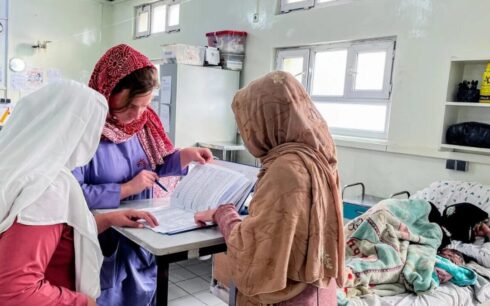
The ban on women working for UN agencies has also disrupted humanitarian operations. The UN refugee agency said in September it was forced to suspend cash assistance to Afghan returnees at border crossings with Iran because the absence of female staff made it impossible to register and assess the needs of women and girls.
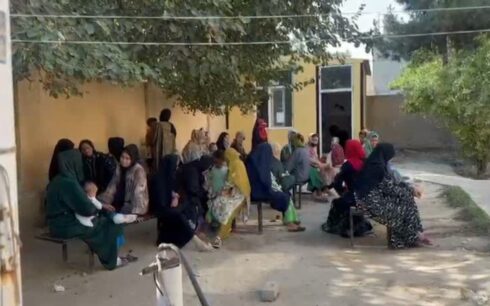
Residents say the cumulative effect of the restrictions has left women almost entirely excluded from public life.
“Since the Taliban returned, women’s rights have been taken away step by step,” said a Kabul resident who asked not to be identified. “Education, work and participation in society have all been closed to women.”
The Taliban say their policies are in line with their interpretation of Islamic law and Afghan culture. However, the United Nations and international rights groups have repeatedly condemned the measures, warning they amount to systematic discrimination.
In its latest report, the UN sanctions monitoring team said Taliban policies have left nine out of every ten women in Afghanistan excluded from employment, education and skills training, deepening poverty and dependency across the country.