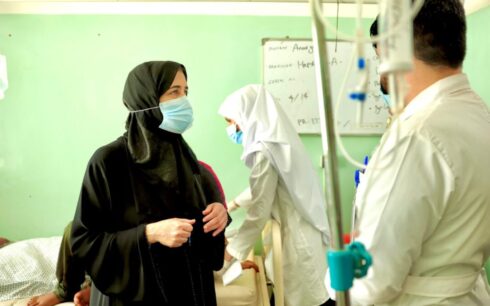
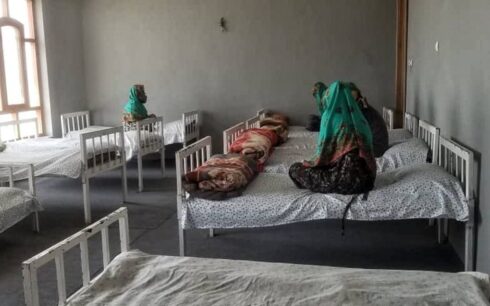
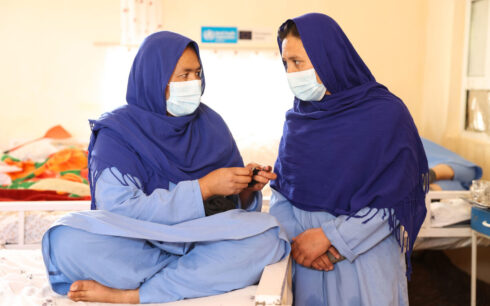
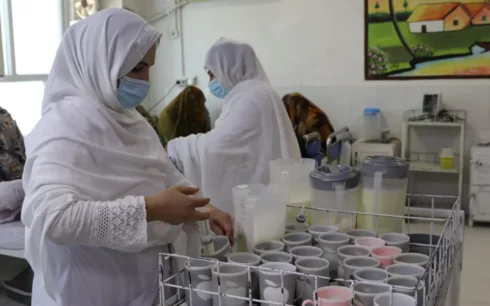
Residents of Firozkoh, the capital of Afghanistan’s western Ghor province, say they lack adequate access to basic healthcare, citing a shortage of free medical facilities and essential medicines.
Several residents told reporters that the few public health centres operating in the city are unable to meet growing demand, leaving low-income families without treatment.
Gul Dasta, who lives on the outskirts of Firozkoh, said public clinics often cannot provide medicines and instead refer patients to private pharmacies, which many families cannot afford.
“My son is sick. When we take him to government clinics, they say they have no medicine and tell us to buy it from private pharmacies,” she said. “We are poor and have no money to buy medicine.”
Other residents said international aid cuts have forced humanitarian organisations to scale back support for health facilities, reducing services and halting the distribution of free medicines.
Abdul Hakim, another resident of Firozkoh, said health centres are overwhelmed. “The number of patients is very high, but there are too few healthcare workers to serve them,” he said, calling on United Nations agencies and humanitarian organisations to increase support for the province.
Some patients said public hospitals have stopped providing free treatment altogether. Anisa, a resident of Ghor, said she was advised to undergo surgery but was told to cover the costs herself. “I had no money, so I cancelled the operation,” she said.
Hundreds of health facilities across Afghanistan have closed following cuts in U.S. humanitarian assistance, the United Nations has said, leaving millions without access to healthcare and essential medicines, particularly women and children.