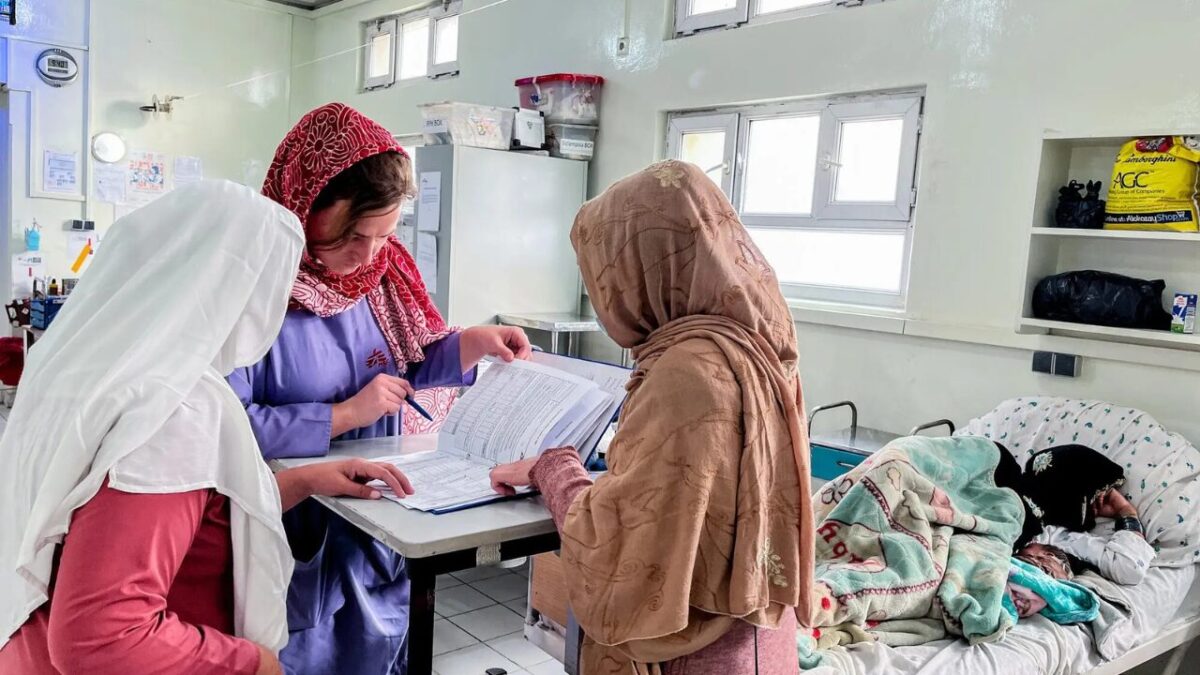
More than 100 days have passed since the Taliban barred Afghan women from entering United Nations offices in Afghanistan, the UN human rights office said, warning that the restriction harms both humanitarian operations and the country’s future.
In a post on X, the UN Office of the High Commissioner for Human Rights urged the Taliban to immediately lift the ban and end what it described as systematic discrimination against women and girls.
“After 100 days since Afghan women colleagues were prevented from entering UN premises in the country, we call on the de facto authorities to lift all restrictions so vital support can reach everyone in need,” the office said. “Systematic discrimination against women and girls is not in Afghanistan’s interest and must end immediately.”
The restriction was first enforced in western Herat province, according to sources, and has since disrupted the work of the United Nations and its affiliated agencies, particularly in humanitarian response and aid delivery.
Women who lost their jobs due to the ban said the restrictions have deepened their economic hardship while also limiting access to aid for vulnerable women and families.
“I used to work for a UN-affiliated institution, but under the current conditions women are no longer allowed to work or study,” said a former female staff member, who asked not to be named for security reasons. “I lost my job and income, and I can no longer support my family financially.”
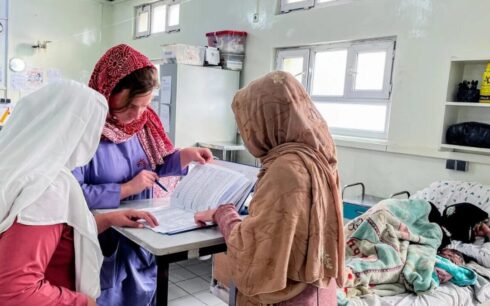
Human rights activists say the ban comes at a critical time, as Afghanistan faces recurring natural disasters including floods and earthquakes, where female aid workers play a key role in reaching women and girls.
“We call on governments and international institutions to increase targeted political and legal pressure on those responsible for these violations,” said Tamana Sultani, a human rights activist. “They must refrain from recognising any system that violates basic human rights.”
Residents have also appealed for stronger international action, saying the cumulative restrictions on women’s education, work and movement have taken a severe toll on families and mental health.
“Women and girls were restricted from studying and working, and many of us were supporting our families,” said a resident of Kunduz province. “We ask the world to hear our voices and not remain silent.”
The Taliban have not commented publicly on the UN statement. Since returning to power in August 2021, they have barred girls from secondary schools and universities, restricted women’s employment and movement, and imposed sweeping limits that now include access to UN-related workplaces.
The measures have drawn repeated condemnation from the United Nations, rights groups and foreign governments, who say the restrictions undermine humanitarian operations and violate fundamental human rights.