Prices of staple goods have surged in Kabul as the closure of key border crossings with Pakistan enters its sixth week, deepening an already dire economic crisis and pushing basic necessities further out of reach for millions of Afghans.
Merchants in Kabul say prices for flour, rice and cooking oil have risen sharply in recent weeks, with some goods increasing by as much as 300 afghanis (about $4.5) per sack or container. A single sack of flour now costs roughly 100 afghanis more than it did before the closures, while the price of rice has risen by up to 300 afghanis. A 16-liter container of cooking oil has climbed by around 250 afghanis ($3.6), shopkeepers said.
As of this week, a 49-kilogram sack of flour is selling for between 1,560 and 1,600 afghanis (approximately $23.50 to $24.10). A 16-liter container of cooking oil ranges from 1,900 to 2,000 afghanis (about $28.65 to $30.15), while a sack of rice is priced between 2,700 and 3,000 afghanis ($40.70 to $45.25), depending on the variety.
“Prices have tripled in some cases,” said Abdul Wali, a Kabul resident. “What used to cost one afghani now costs three. Something we bought for 500 is now 750.”
Another resident, Sayed Mohammad, who works as a cart vendor, said he could no longer afford to buy essential food items for his family. “Everything is too expensive,” he said. “We live in a rented home. I push a cart for a living. We don’t even have enough to buy flour — nothing at all.”
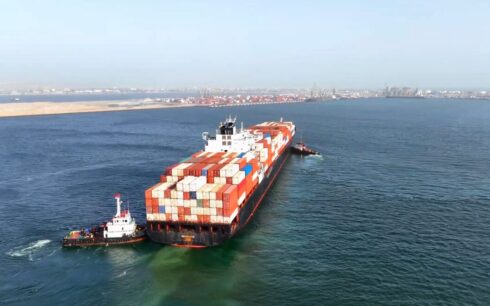
The border closures — now in effect for more than 39 days — have choked commercial activity between Afghanistan and Pakistan, which share a heavily trafficked frontier vital for the flow of food, fuel and consumer goods. The crossings, including the major trade route at Torkham, were shut amid diplomatic tensions and security disputes.
The Afghanistan-Pakistan Joint Chamber of Commerce and Industry issued a formal warning on Tuesday, stating that continued disruptions could cripple cross-border trade. In a letter, the chamber said annual bilateral trade potential exceeds $5 billion but may fall below $1 billion if border restrictions persist.
The chamber called on the Pakistani government to take immediate action to resolve the crisis, warning of long-term damage to both economies.
For ordinary Afghans, however, the effects are already being felt. The sharp price increases come at a time of soaring unemployment, shrinking income, and widespread humanitarian need. Afghanistan’s economy, heavily reliant on imports and still recovering from decades of conflict, remains fragile under the Taliban rule and heavily affected by regional disruptions.