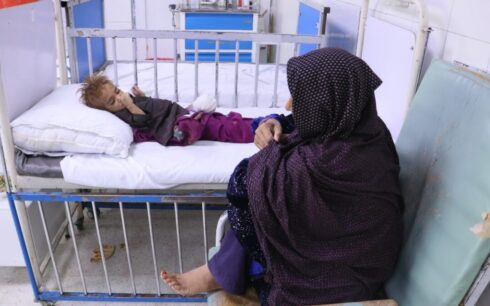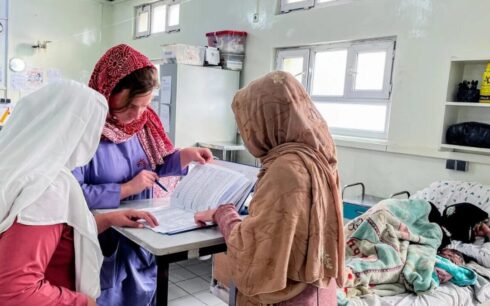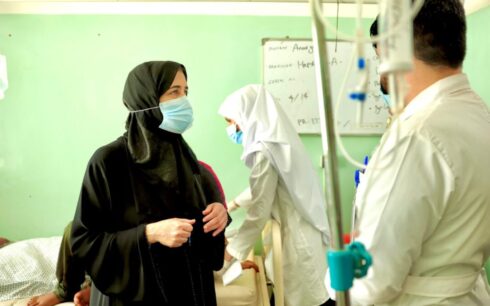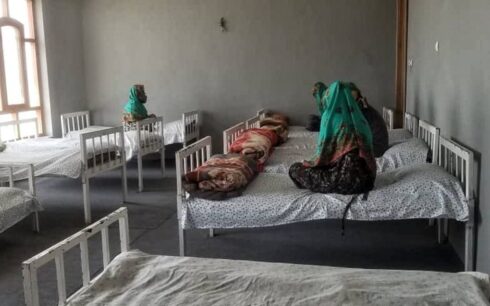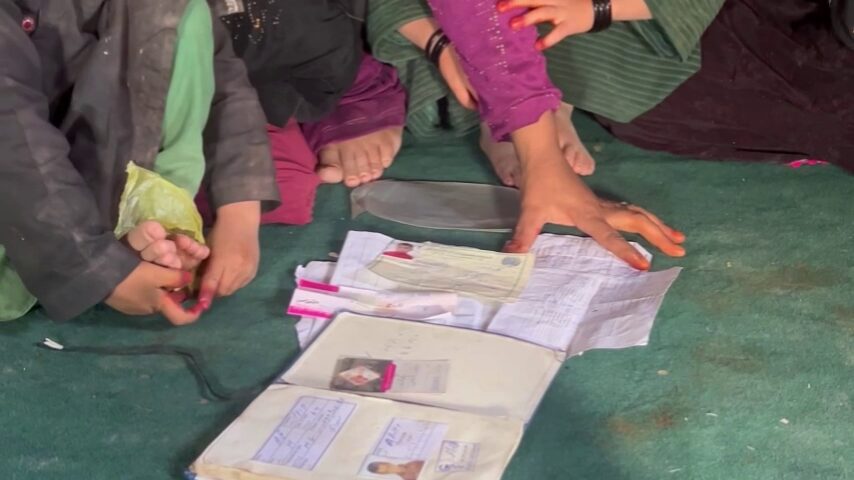
Residents of Chora district in Uruzgan province say they lack access to even the most basic health care, despite the presence of local clinics that remain chronically understaffed and poorly equipped.
In the remote village of Kala-Kala, families report that ongoing shortages of doctors and essential medicines have made seeking treatment nearly futile. Locals say they are forced to live with untreated illnesses while grappling with food insecurity and unsafe drinking water.
“When we go to the clinic, they don’t even give us a proper consultation,” said Nazifa, a resident of Chora. “Even when our turn comes, we’re given just five tablets. How is that supposed to cure anything?”
The health care crisis is exacerbated by a lack of clean water, which has contributed to a rise in kidney disease and other illnesses among the population. Residents say they have been left to fend for themselves.
“My son has been sick for two years,” said Muslima, another resident. “We’ve spent hundreds of thousands of Afghanis, but he still hasn’t recovered. I go out to find work every day, and sometimes I bring home leftover food from others to feed my children.”
Others, like Mohammad Aslam, are confined to their homes with chronic conditions and no means to access care. He says he has undergone two back surgeries and now cannot walk or sit for long periods.
“There is no functioning clinic in our area,” he said, speaking through tears. “I don’t even have enough money to pay for transportation to a hospital. There’s no clean water either. Life here is extremely difficult.”
Local aid workers and health officials have long warned that malnutrition, poor hygiene, and contaminated water are driving a silent health crisis across Uruzgan and other underserved provinces.
Despite repeated appeals from villagers, few tangible improvements have been made. Residents say they are increasingly reliant on home remedies or private clinics in distant cities — options many cannot afford.
For the people of Chora, access to basic health services remains a distant hope, leaving them to endure illness and hardship in silence.