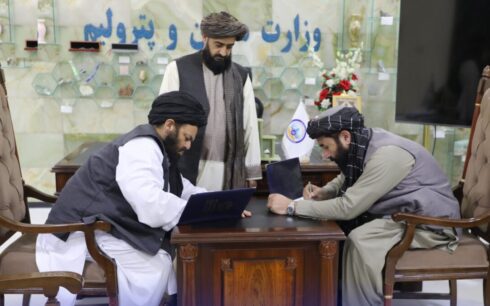
Afghanistan is losing an estimated $200 million in monthly trade revenue due to the ongoing closure of key border crossings with Pakistan, the Taliban’s commerce minister said on Wednesday, as tensions between the two sides show little sign of easing.
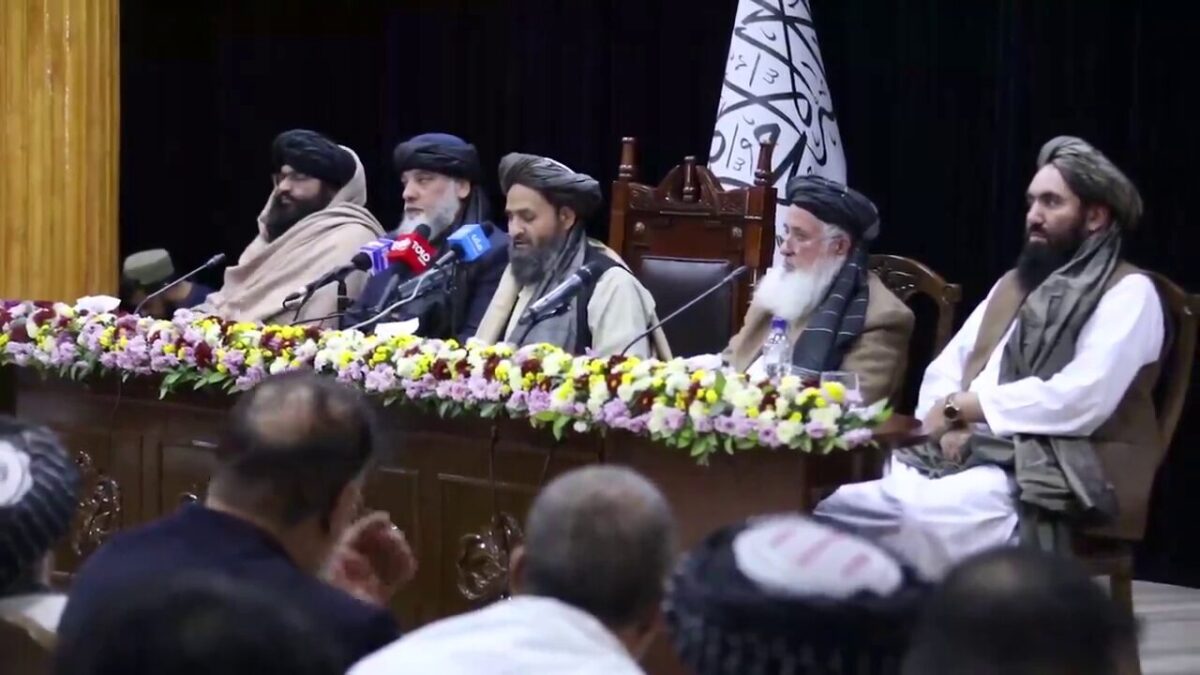
Speaking at a session in Kabul, Nooruddin Azizi criticized what he called Pakistan’s repeated and politically motivated shutdowns of trade routes — particularly during Afghanistan’s peak export seasons.
“Pakistan has frequently created obstacles, especially during the fruit export season,” Azizi said. “These closures are without any foundational or logical basis, and they are damaging to both countries.”
At least five major crossings between the two countries — including Torkham and Spin Boldak — have been closed for more than a month following a sharp deterioration in relations. The closures have disrupted bilateral trade, stalled exports, and caused significant financial losses for Afghan businesses that depend heavily on overland access to Pakistani ports.
Azizi described the Pakistan trade route as “high-risk” and said Afghan merchants have repeatedly suffered losses due to what he termed arbitrary decisions by Pakistani authorities. He urged Afghan businesses to explore alternative markets and emphasized their efforts to expand trade through Central Asian neighbors, including Tajikistan, Uzbekistan, and Turkmenistan.
“We are actively working with northern neighbors to find reliable trade alternatives,” he said.
Azizi also accused Pakistani authorities of exploiting Afghan traders and using commerce as leverage in broader political disputes.
“Our traders should not be tools in Pakistan’s hands,” he said. “If Pakistani traders want access to Afghan markets, they must handle marketing and outreach themselves. We will not allow one-sided conditions.”
He added that the Taliban government would only permit trade with Pakistan under what he called “mutual respect and equality,” and only if Islamabad provided “absolute guarantees” that the crossings would remain open.
“There will be no trade under duress,” Azizi said. “We are under no obligation.”
His comments come amid growing economic strain in Afghanistan, where border disruptions have led to supply shortages, inflation in key sectors, and declining export volumes. Pakistan remains one of Afghanistan’s largest trading partners, accounting for a significant share of both imports and exports. The two countries exchanged goods worth over $1.5 billion annually before the latest border closures, much of it through the now-blocked southern crossings.
Regional diplomatic strain
The border closures are part of a broader deterioration in relations between the Taliban and Pakistani authorities. Islamabad has accused the Taliban of failing to act against Tehrik-i-Taliban Pakistan (TTP), a banned militant group that operates from Afghanistan’s territory — an accusation the Taliban deny.
Two rounds of recent negotiations between the two sides in Istanbul ended without agreement, further dimming prospects for a swift resolution.
Despite the escalating rhetoric, Taliban insist they are not opposed to trade with Pakistan but are demanding structural guarantees to avoid repeated disruptions. In the meantime, Afghan exporters are being encouraged to diversify their markets and reduce reliance on southern corridors.