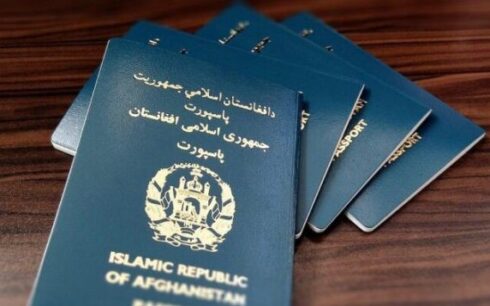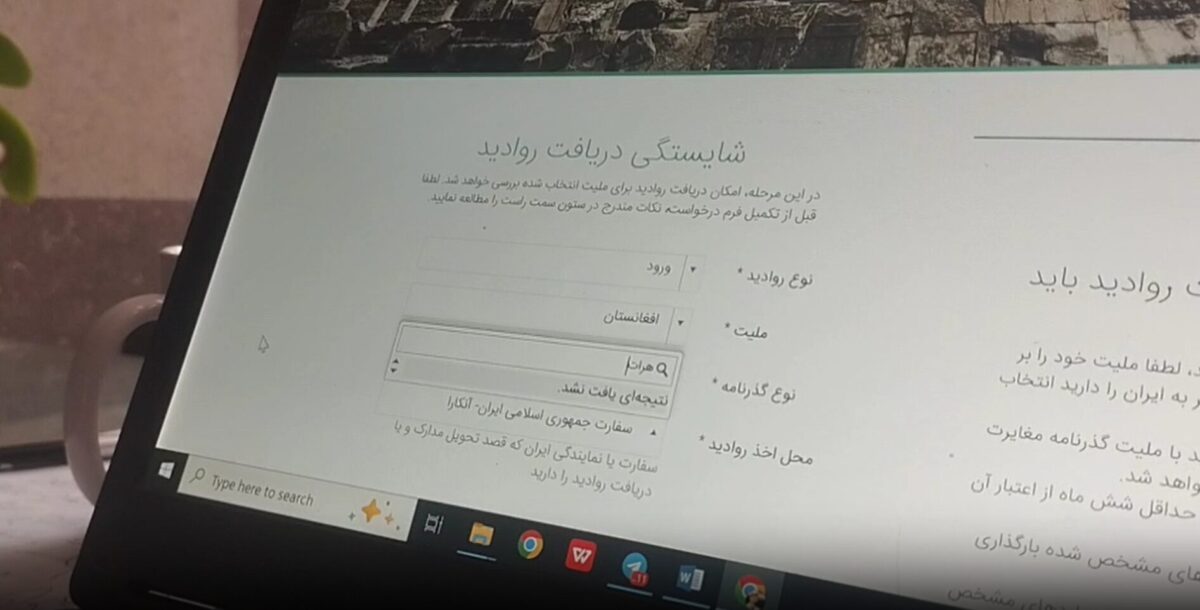
Applicants in the western city of Herat say they have been unable to obtain Iranian visas through official channels for more than three months, leaving many with no option but to turn to the black market — where, they claim, visas are being sold for as much as 100,000 afghanis, or nearly $1,500.
Applicants describe Iran’s visa application website as largely nonfunctional since early this year, preventing ordinary Afghans from submitting requests for work, medical, or tourist travel. Several residents and travel agents told Amu that restrictions have become even tighter since the 12-day conflict between Iran and Israel earlier this year. Only commercial and diplomatic visas are reportedly being issued — and under stricter conditions than before.
“We have passports, but we can’t get visas,” said Amena, a Herat resident who has been trying for months to obtain travel documents. “Life here is very difficult. We just want to go to Iran to work with our children and earn a piece of bread.”
Others say middlemen and travel brokers have seized on the crisis, selling visas on the black market at steep prices ranging from 30,000 to 100,000 afghanis. With unemployment soaring and opportunities shrinking, residents say many families are willing to pay whatever it takes to cross the border.
Economic desperation continues to drive migration. Afghanistan’s economy remains crippled by isolation, unemployment, and inflation. For many Afghans, particularly in western provinces like Herat and Badghis, Iran remains the most viable destination for work.
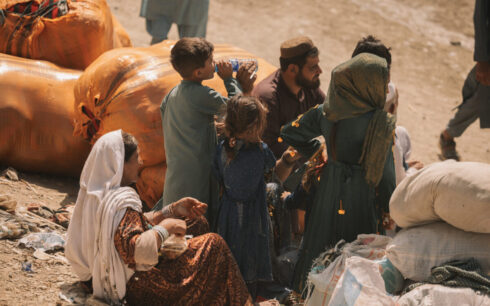
“I don’t have a house or food,” said Amanullah, a laborer from Badghis who was recently deported from Iran along with his sons. “If I had anything, I wouldn’t go to Iran. Our economic situation is unbearable.”
Iran, meanwhile, has struggled with its own labor shortages following the mass deportation of Afghan migrants. Authorities in Tehran recently announced plans to issue 200,000 new work visas for Afghans, but residents say the process remains unclear and inaccessible.
Attaullah, another deportee from Badghis, said he was temporarily housed by a local family and had received donated household items at the border. “Winter is near,” he said. “The challenges are many.”
According to Taliban data, thousands of Afghan migrants are being expelled from Iran each week, most through the Islam Qala crossing in Herat Province. Despite the hardships, many deportees say they plan to return — even if it means relying on smugglers or buying black-market visas.
Humanitarian groups warn that without a regulated migration process, Afghans will remain vulnerable to exploitation by traffickers and corrupt brokers. “The lack of legal and transparent visa channels is pushing people toward dangerous and illegal routes,” one Herat-based activist said. “It’s a crisis built on desperation.”