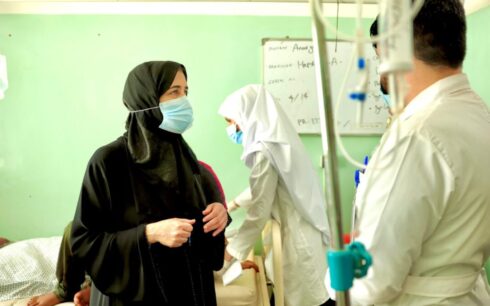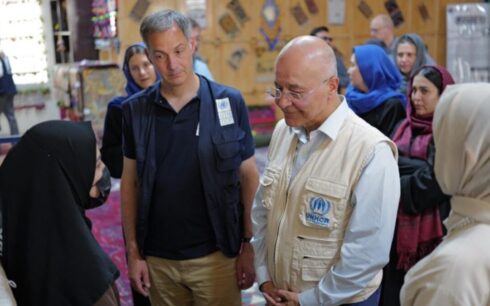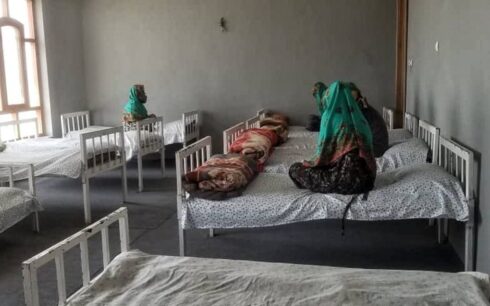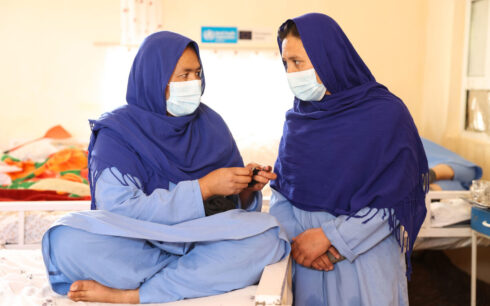
Women in Uruzgan Province say they have been left without access to health care or female doctors, as poverty deepens and international support vanishes in one of Afghanistan’s most underserved regions.
Several women told Amu that they have no access to even basic medicine, despite urgent needs. Many say the closure of United Nations-supported health centers over the past year has made an already dire situation far worse.
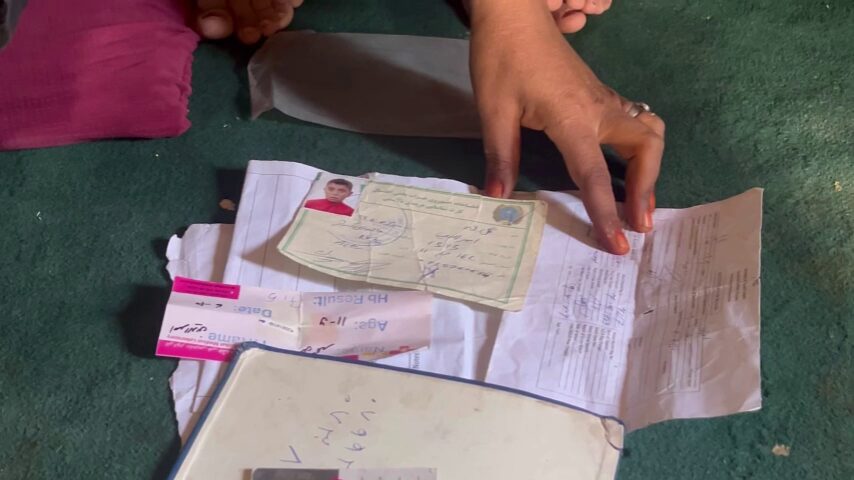
Zargul, a local resident, shared prescriptions written for her more than a year ago by aid-supported medical teams — prescriptions she has still not been able to fill. “Now, there are no clinics operating near us,” she said. “If someone in our house gets sick, we go to the neighbor women to ask for help and medicine.”
Others echoed her concerns, saying that rising prices and a lack of services have pushed medical care beyond reach.
“For years now, no one treats us, and no one gives us medicine,” said Zareena, another woman in Uruzgan. “Our economic situation is very bad, and we can’t afford treatment.”
“There are no doctors and no midwives,” said Sahra Gul, another resident. “All of our children are getting sick, and we can’t treat them.”
The Taliban’s restrictions on female employment in the health sector, combined with the withdrawal of many international agencies, have further strained a crumbling rural health infrastructure.
In Uruzgan, one of Afghanistan’s most conservative and remote provinces, health access for women was already fragile. Women often relied on mobile clinics or foreign-funded facilities staffed by female health workers — many of which are no longer functioning.
The women who spoke to Amu said they survive by spinning wool and weaving carpet thread — labor-intensive work that brings little income. “Even that barely helps us survive,” said one woman.
Humanitarian organizations have repeatedly warned that rural women in Afghanistan face a cascading crisis of health, economic hardship, and lack of services. With clinics shuttered, health workers restricted, and income sources limited, women in Uruzgan say they have been left almost entirely on their own.