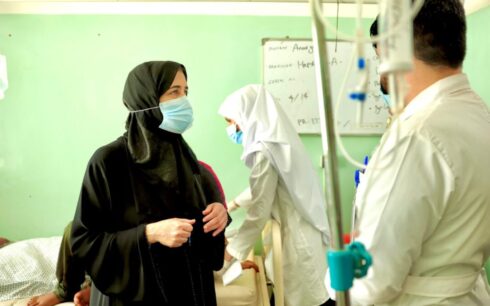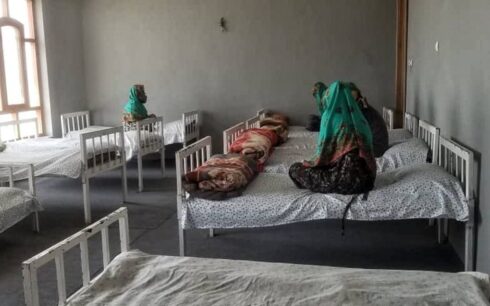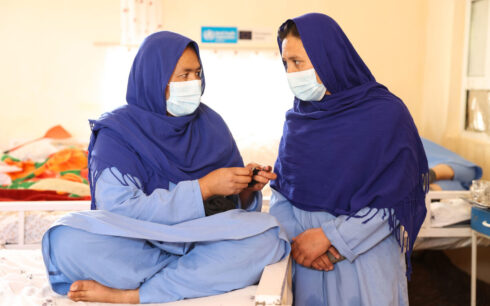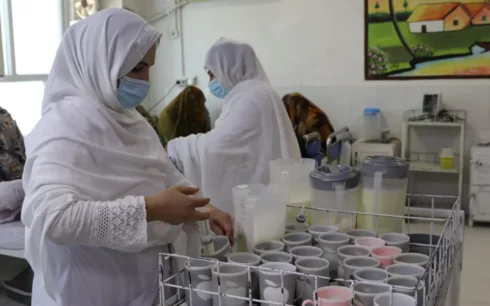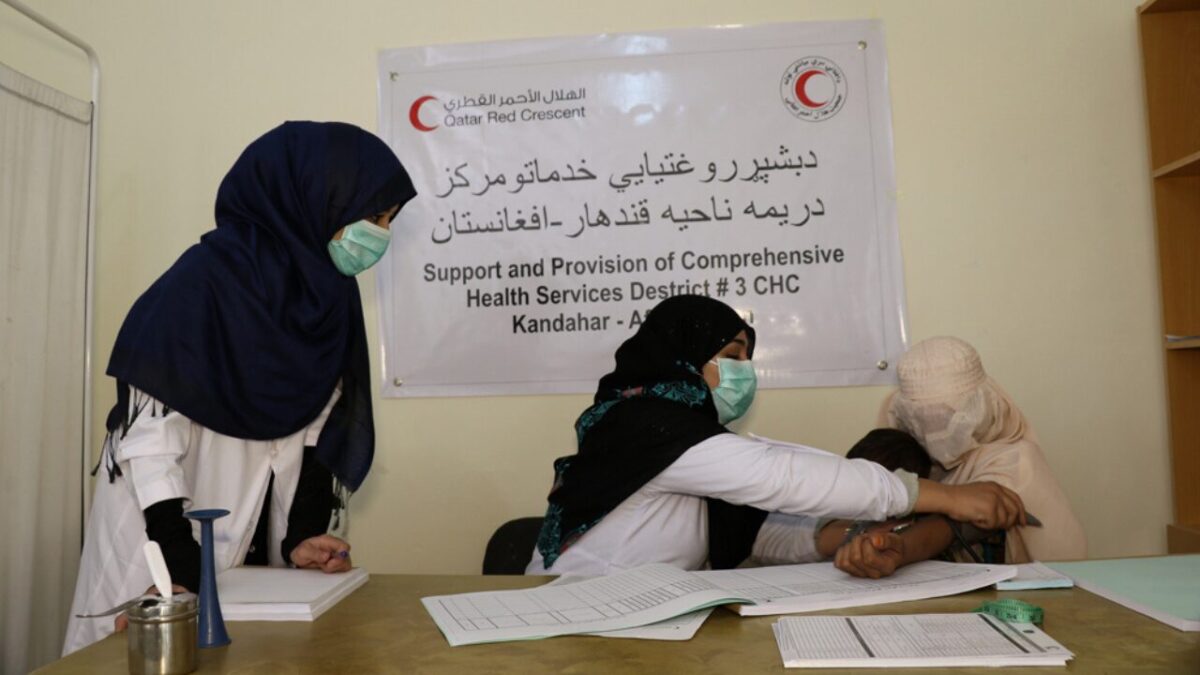
At least 422 health facilities in Afghanistan have suspended services this year because of aid cuts, leaving more than 3 million people without care, the International Crisis Group (ICG) said in a new report warning of growing risks from shrinking international assistance.
The burden, the group said, has fallen most heavily on impoverished women. Afghanistan remains one of the world’s deadliest countries to give birth, with a woman dying of preventable complications every two hours.
According to the report, in 2025, nearly 440,000 women are expected to lose access to sexual and reproductive health services that had been designed to comply with Taliban edicts. Aid cuts are also hitting water, sanitation, hygiene and agriculture programs, areas where women are most dependent.
While the Taliban have begun paying for some services from the national budget, major gaps remain. The report says donors previously covered 96 percent of public health costs and 44 percent of education expenses. Failure to fill those gaps “would seem like a recipe for disaster,” one aid worker told ICG. “A lot of people will die.”
The report said the most likely scenario is that Afghanistan will remain cut off from the world, hobbled by sanctions, isolation and the Taliban leadership’s preference for less openness. Despite warnings, there are few signs that the Taliban see economic hardship as reason to change course, the group added.
Foreign donors also appear unlikely to step in. The United States has shifted its demands under President Donald Trump, now focusing on the return of U.S. weapons and possibly a base in Afghanistan. European donors are redirecting shrinking funds to essential services but show no signs of filling the broader gap.
The ICG noted that some of the immediate impact could be softened by other sources of income. Remittances through formal banking channels were estimated at $3.5 billion in 2024 — more than twice that year’s humanitarian aid — and may rise further as international funding declines. Afghanistan’s large gray and black markets also act as a buffer, the group said.
Still, the consequences of shrinking aid are expected to be devastating for many Afghan families, especially in rural areas where tragedies unfold out of public view. Families are already pulling girls out of school to fetch water or perform chores, child marriages are increasing, and disease and malnutrition are spreading, the report said.
“Doing nothing may not produce a televised famine or state collapse,” the ICG concluded. “But the suffering will be widespread, private and enduring.”