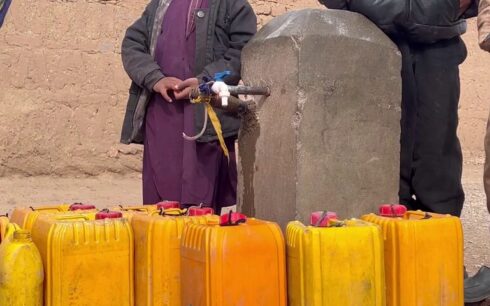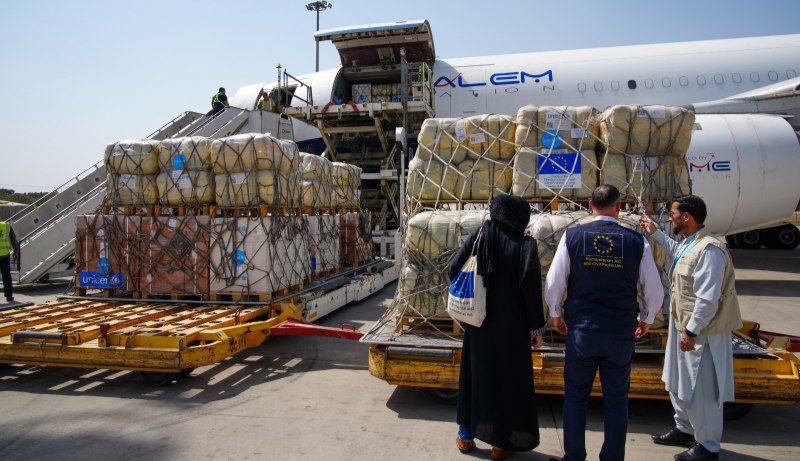
The Taliban’s Justice Directorate in Nangarhar province has issued a formal warning to all charitable and humanitarian organizations, instructing them not to photograph women during aid distributions in eastern Afghanistan.
In an official letter, the directorate described photographing women while they receive aid as “against Islamic and Afghan values” and labeled it “highly sensitive.”
The directive comes as the region continues to reel from a devastating earthquake that struck several eastern provinces, including Kunar, Nangarhar, Laghman, and Nuristan. Aid efforts have been complicated by ongoing restrictions on female humanitarian workers and doctors.
Humanitarian organizations and residents in affected areas have reported a serious shortage of female medical professionals and aid workers. The absence of women staff has made it difficult to reach female survivors, many of whom are culturally prohibited from receiving care from male staff.
In late 2022 and early 2023, the Taliban banned women from working with the United Nations and non-governmental organizations (NGOs), triggering widespread international condemnation. The restrictions severely curtailed humanitarian access to women and girls, particularly in health care, education, and emergency response.
According to the United Nations, women make up the majority of victims in recent disasters and are disproportionately affected by access barriers in Taliban-controlled Afghanistan. UN agencies have repeatedly called for the Taliban to lift restrictions that prevent female staff from participating in life-saving aid efforts.
Despite these calls, the Taliban have continued to enforce conservative policies, citing their interpretation of Islamic law, which has left millions of Afghan women without access to essential services.