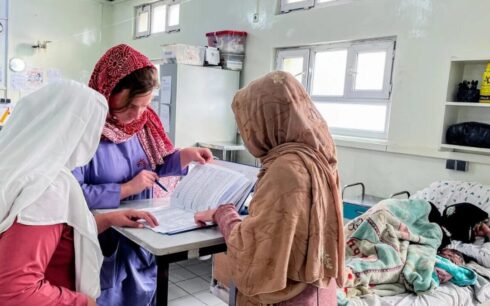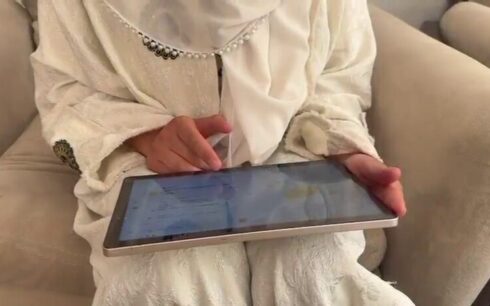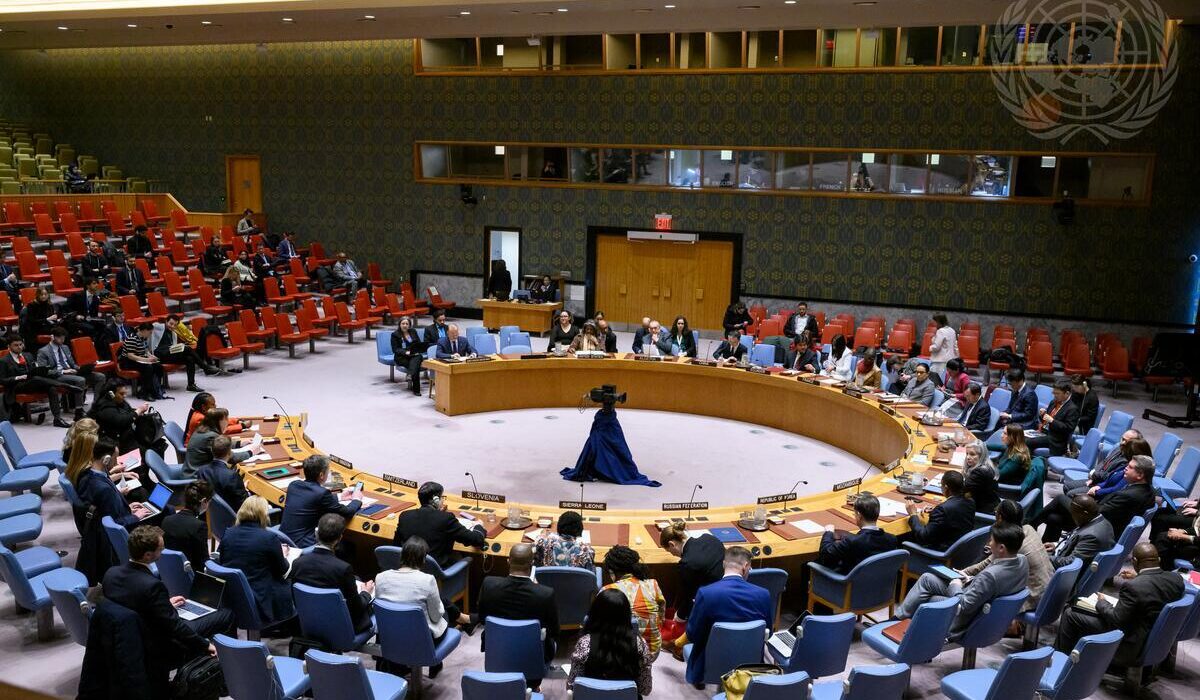
With just four days remaining before the 80th session of the United Nations General Assembly begins in New York, Afghan women and girls barred from work and education by the Taliban are calling on world leaders to take decisive action on human rights in Afghanistan.
Many of these women, now living under severe restrictions, say their days are marked by anxiety and isolation. Schools and universities remain closed to most girls, and even basic freedoms like moving about in public are tightly controlled.
Ahead of the global gathering, several women have urged the UN not to limit its response to issuing statements, but to establish mechanisms that hold the Taliban accountable for their treatment of women.
“The UN must use targeted sanctions, independent monitoring, support for women’s rights activists, and coordinated diplomatic pressure to ensure the Taliban are held responsible,” said a woman from Kabul. “There must be concrete, sustained actions to push for change.”
A woman from Farah province voiced frustration with what she described as ineffective high-level meetings. “These recent conferences have led to no real results,” she said. “The UN should engage directly with the Taliban leadership to find a real solution, not just release statements expressing sympathy.”
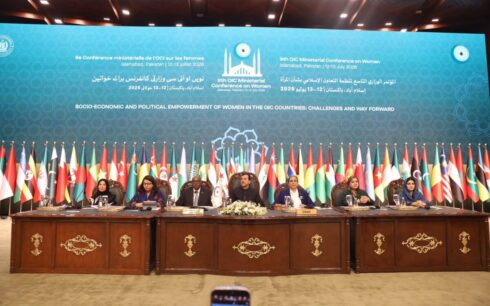
UN programming documents confirm that the 80th General Assembly will officially open on Sept. 9 and run through Sept. 8, 2026, with a focus on peace, development and human rights.
Human rights advocates say the session is a critical opportunity for the international community to address the worsening situation in Afghanistan, particularly the systemic discrimination against women and girls.
“This is a moment for the world to formally recognize gender apartheid in Afghanistan,” said rights activist Mawluda Tawana. “The UN must act, not just for women, but for the future of the country.”
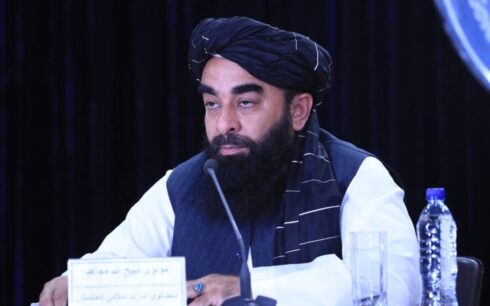
Since returning to power four years ago, the Taliban have imposed sweeping bans on education, employment, and even freedom of movement for women and girls. Human rights organizations have repeatedly described these policies as a form of gender-based apartheid and have called on the UN to officially recognize it as such.