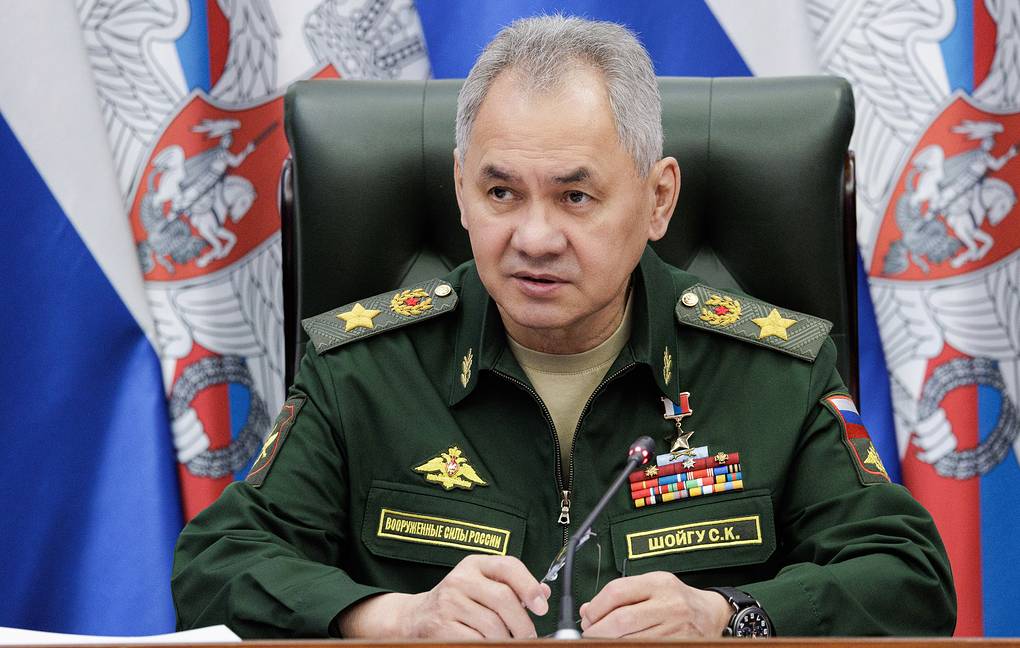
The drug trafficking situation in Afghanistan remains challenging despite efforts by the Taliban to curb the trade, Russian Security Council Secretary Sergey Shoigu said, according to Russia’s state news agency TASS.
Shoigu acknowledged that the Taliban leadership has managed to reverse what he described as a negative trend in drug trafficking. However, he warned that new threats have since emerged.
“The drug trafficking situation in Afghanistan remains complicated, primarily due to the increasing use of synthetic opioids such as nitazenes, which are more powerful than fentanyl and deadly even in microdoses,” Shoigu said.
He noted that while opium production in Afghanistan declined in 2024, there was a 75% increase in methamphetamine seizures across Afghanistan and neighboring countries. “The center of opium drug synthesis is shifting to the countries of the so-called Golden Triangle, where the borders of Thailand, Myanmar, and Laos converge,” he added.
Shoigu also cited a decrease in heroin availability in Russia since 2021. “The volume of heroin seizures in Russia has dropped threefold — from 1.4 tons to 319 kilograms,” he said.
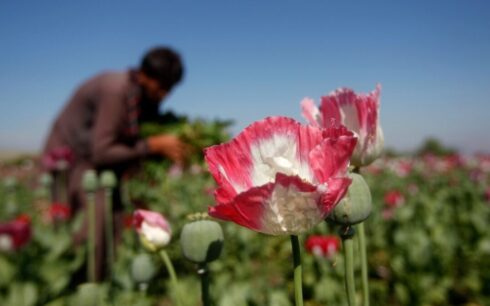
The Taliban announced a nationwide ban on poppy cultivation in 2022 and claim to have dramatically reduced opium production. However, international observers have raised concerns about the growing presence of synthetic drugs and the lack of formal enforcement mechanisms.