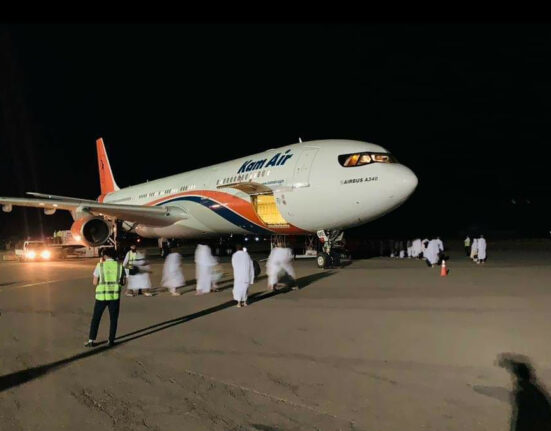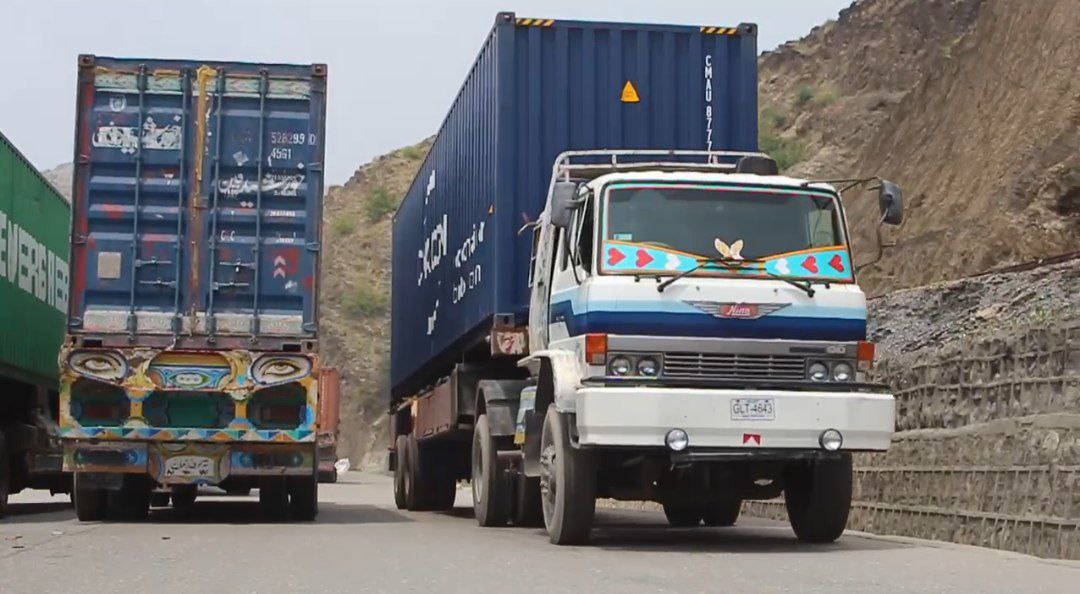
Afghanistan imported goods worth $11.7 billion last year while exporting only $1.7 billion, according to figures released Tuesday by the Taliban-run National Statistics and Information Authority, underscoring the country’s heavy reliance on foreign goods and its persistent trade imbalance.
Ismatullah Hakimi, the Taliban’s deputy head of the agency, said most imports came from Iran, Pakistan and China.
Exports, meanwhile, were dominated by dried figs, cotton, raisins, asafoetida and coal, much of which was sent to Pakistan, India, Iran, the United Arab Emirates and Uzbekistan. Those five countries accounted for nearly 90 percent of Afghanistan’s exports, the agency said.
Coal and other raw materials, along with dried fruits, made up about 41 percent of all exports, while imports were concentrated in consumer goods and fuel, largely supplied by neighboring countries.
Iran, Pakistan, China, the Emirates and Uzbekistan together accounted for 72 percent of Afghanistan’s imports, he said.
Meanwhile, the statistics office also estimated the population at 36.4 million in 2025, with men making up 51 percent and women 49 percent.
Despite the trade gap, the Taliban official said consumer prices eased over the past year.
According to him, inflation fell by 4.2 percent overall, with food prices dropping 7.7 percent and nonfood items declining 0.7 percent.
Afghanistan’s economy has remained fragile in the past four years amidst fall in international aid and an increase in Taliban restrictions. The Word Bank reports show that Afghanistan’s economy grew approximately 2.5 percent in 2024, its second consecutive year of recovery, driven mainly by agriculture, mining, construction, and trade.
According to UN reports, high poverty rates and soaring food insecurity persist—an estimated 14.8 million people now face hunger, while millions more live below the poverty line—exacerbated by continued restrictions on women’s economic participation.
UN agencies warn that without restoring women’s access to work and education, reversing financial isolation, and regaining international legitimacy, Afghanistan is likely to remain trapped in economic stagnation with widespread humanitarian needs.