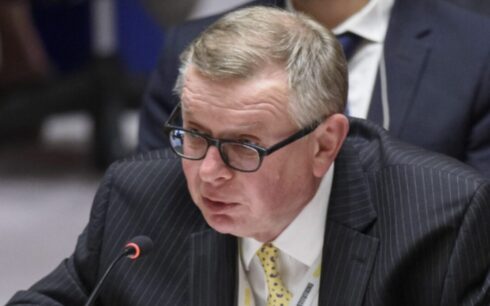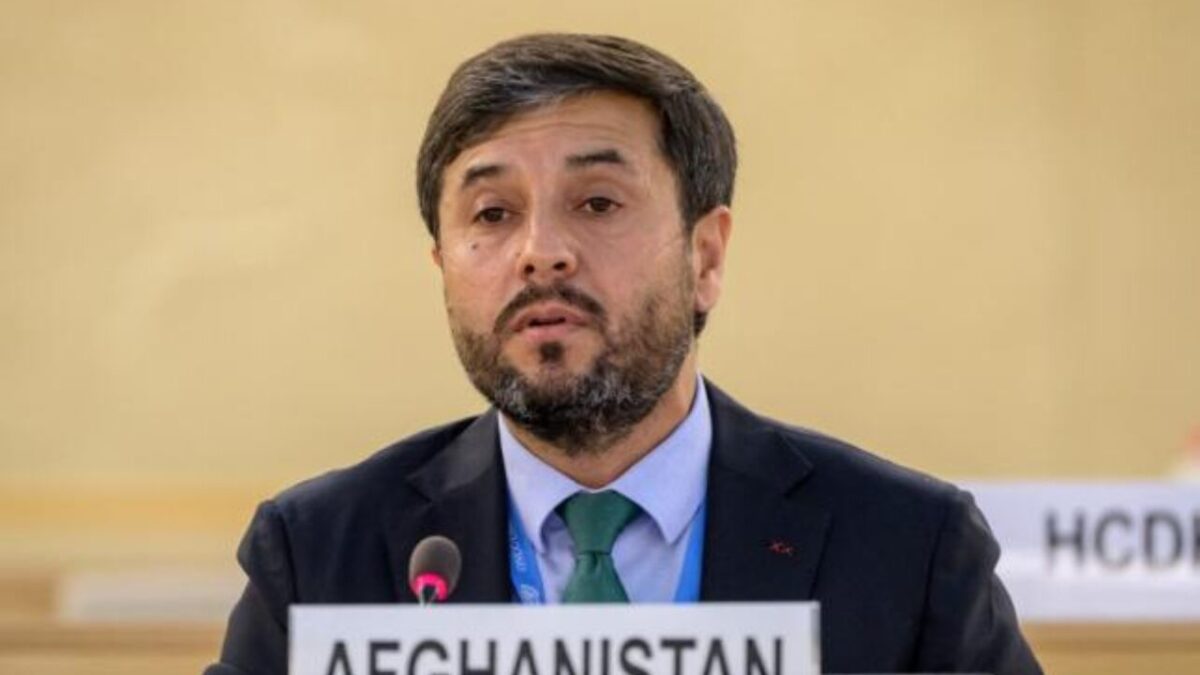
Nasir Ahmad Andisha, Afghanistan’s representative to the United Nations in Geneva, on Monday condemned Russia’s recent recognition of the Taliban, calling it a “murky and unilateral” move that risks deepening diplomatic isolation and exacerbating the suffering of the Afghan people.
He also criticized Germany’s decision to accept two Taliban-appointed consular representatives in the cities of Berlin and Bonn, calling both developments “diplomatic setbacks” with long-term consequences for Afghans at home and abroad.
“The recognition of the Taliban by Russia, and Germany’s acceptance of Taliban consular officials—potentially in exchange for deportations of Afghan migrants—present serious diplomatic challenges,” Andisha said in a statement. “These steps will harm both Afghanistan’s displaced population and its international standing.”
Andisha said Afghanistan remains “held hostage by a repressive group” that violates international conventions and fails to uphold even the most basic rights of women and ethnic minorities.
“Our country is under the control of an extremist group that neither respects its international commitments nor acknowledges the fundamental rights of its people,” he said, referencing the UN Charter and the Universal Declaration of Human Rights.
The report described the past six months as both “remarkable and challenging” for Afghan civil society, particularly in light of the Taliban’s intensified crackdown on women and civic freedoms. Despite this, Andisha said that resistance efforts inside and outside the country would continue, including during upcoming UN forums in August and September.
“Our collective efforts—those of the Afghan people, democratic movements, and civil society—will go on,” he said. “The coming months will bring pivotal diplomatic moments for Afghanistan.”
This month, Russia became the first country to officially recognize the Taliban government, nearly four years after the group returned to power in August 2021. Shortly afterward, Germany accepted two Taliban representatives at the consular level, a move met with concern by rights groups and members of the Afghan diaspora.
In a further shift, Iran’s newly elected president, Masoud Pezeshkian, announced his intent to visit Kabul, framing the trip as part of a regional push to “open a new chapter” in bilateral relations.
Some political analysts warn that these steps toward normalization—absent clear commitments from the Taliban on women’s rights, governance reform, or minority inclusion—may embolden further repression.
“These developments are likely to strengthen the Taliban’s position while weakening leverage on human rights,” said Nasrullah Stanekzai, a political analyst. “In the end, they come at the expense of the Afghan people.”
While several countries have engaged with the Taliban on technical and humanitarian grounds, Russia remains the only state to grant official recognition. Others, including regional allies of Moscow, have improved relations with the Taliban but have not held them accountable for their continued bans on women’s education, employment, and participation in public life.
Andisha concluded his remarks by urging the international community not to normalize a regime that, in his words, has “shut the door” on democratic participation, gender equality, and international obligations.