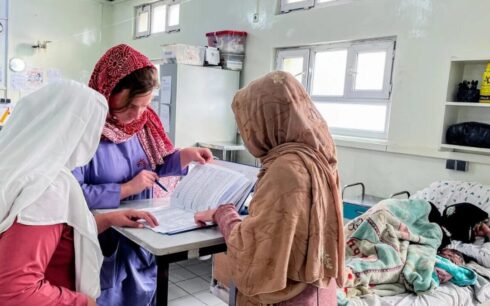
The Human Rights Watch says that a recent wave of arrests of women and girls by the Taliban for failing to wear their preferred version of the hijab has left women across Afghanistan living in fear. The report describes these detentions as part of a broader pattern of systematic gender-based repression, which UN experts and rights advocates now label “gender apartheid.”
“This is part of a broader system that Afghan women’s rights defenders and UN experts describe as gender apartheid,” the group wrote on social media. “Women, stripped of access to work, education, and freedom of movement, are confined to their homes. Each time they find a way to resist or negotiate, the Taliban respond with even greater repression.”
This comes amid growing concerns over Taliban crackdowns in Kabul and other cities. On July 15, local sources told Amu TV that Taliban arrested several women and girls in Shahr-e Naw, Dasht-e Barchi, and Pul-e-Surkh, citing the absence of a male guardian (mahram) and what they deemed improper hijab. Additional reports later confirmed similar arrests and interrogations in Qala-e-Fathullah and Char Qala, District 14 of the capital.
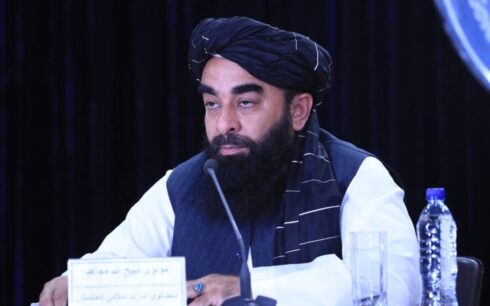
Despite widespread documentation, Taliban authorities have issued no official response to these incidents. A spokesperson for the Ministry for the Promotion of Virtue and Prevention of Vice previously told local media that women had only been “advised” to observe proper hijab—but denied that arrests had taken place.
The Human Rights Watch report also criticized Russia’s recent decision to recognize the Taliban, stating that any government that values the rights of women and girls must reject policies that normalize such repression.
“As Taliban violence intensifies, the international community has too often responded with silence—or worse, with actions that normalize the abuse,” the report said. “Russia’s decision to recognize the Taliban makes it the only country to do so and sends the wrong message.”
The group called on the global community to formally recognize gender apartheid as a crime and to take stronger measures in defense of Afghan women and girls.
In interviews with Human Rights Watch, several women have said that despite the increasing risks, they would continue to resist restrictions on their rights and presence in public life.
“It doesn’t matter what tactics or tools of power the Taliban use,” one woman said. “We will still find a way to go outside. We cannot be imprisoned in our own homes.”
Since taking power in August 2021, Taliban have imposed sweeping bans on education, employment, and public life for women and girls, including barring them from universities, most jobs, parks, gyms, and travel without a male escort. Enforcement of the hijab decree has varied but intensified in recent months, particularly in urban areas.
Rights groups and UN officials have warned that the Taliban’s gender policies amount to a systematic erasure of women from public life, urging governments to move beyond statements and implement concrete accountability measures.