With Khamenei dead, Iran faces leadership crisis and regional turmoil
The confirmed killing of Iran’s supreme leader in a US–Israeli attack has opened an unprecedented succession dispute and heightened fears.

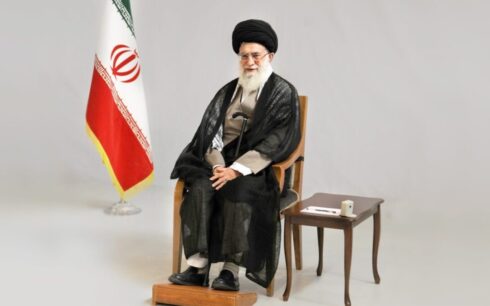
The confirmed killing of Iran’s supreme leader in a US–Israeli attack has opened an unprecedented succession dispute and heightened fears.
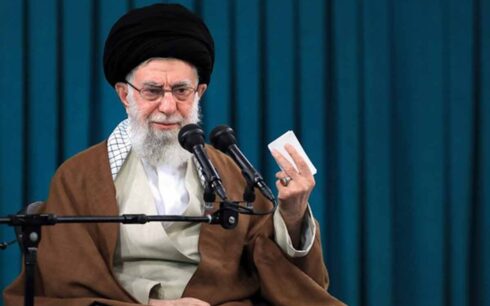
The killing of Iran’s supreme leader, announced by state media, deepens uncertainty over the country’s leadership and raises fears of.

Washington and Jerusalem said the joint operation targeted Iranian military and nuclear-linked sites; Tehran reported nationwide strikes and launched retaliatory.

Tehran said negotiators agreed on guiding principles for a potential deal, while Washington signaled diplomacy remains preferable but warned military.
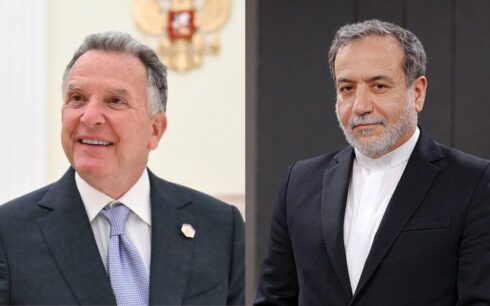
Tehran is seeking full sanctions relief and rejecting “zero enrichment,” while Washington has signalled interest in expanding the scope of.
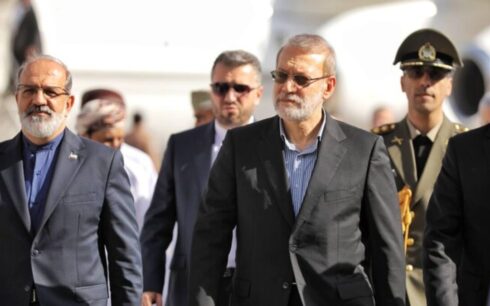
Larijani is scheduled to meet Omani Foreign Minister Badr al-Busaidi, who has acted as the main intermediary in the talks.
Following the talks, US Special Envoy Steve Witkoff was holding consultations with Omani Foreign Minister Badr al-Busaidi.

The Iranian president said negotiations would be guided by the principles of “dignity, wisdom and expediency”.
The remarks mark Khamenei’s strongest warning so far amid rising military pressure on Tehran.
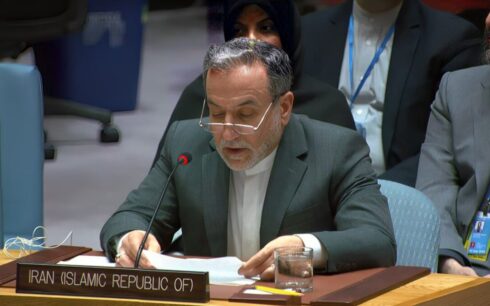
“Europe is undermining its position by taking steps like this,” Araghchi said, adding that Europeans would “soon realise their mistake”.