UN says Afghanistan internet blackout disrupted aid, rights and air travel
UN spokesman Stéphane Dujarric said the blackout also hampered the UN mission’s Security Council–mandated work in Kabul.

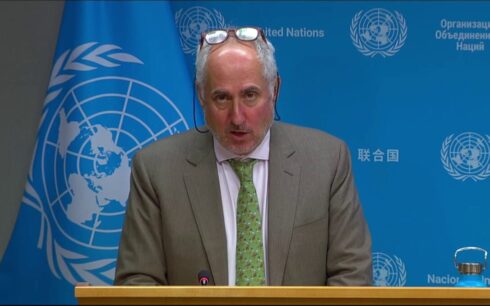
UN spokesman Stéphane Dujarric said the blackout also hampered the UN mission’s Security Council–mandated work in Kabul.

“Internet shutdowns disrupt lives, violate rights and cut off access to information," Bennett said.

Human Rights Watch said the blackout has imperiled fundamental rights, cutting off Afghans from education and healthcare.

The blackout has forced airlines to cancel flights to and from Kabul and disrupted businesses, the HRW said.

Singh warned the shutdown would further harm Afghan women and girls, who remain banned from schooling beyond the primary level.
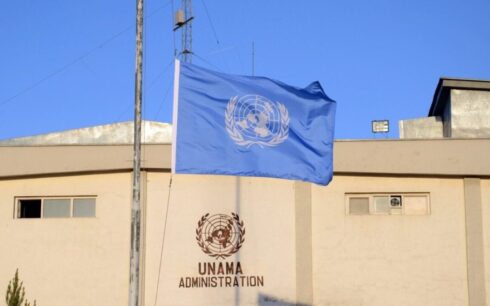
The mission said the blackout also restricts freedom of expression and increases the isolation of women and girls.
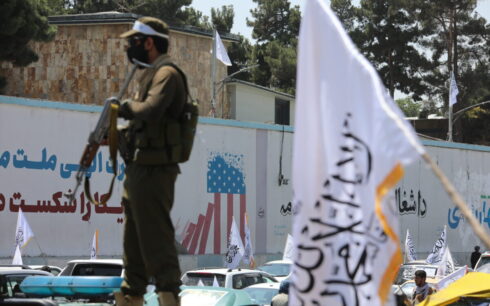
According to the report, observers say the Taliban recruited children, some as young as 12, for support roles and falsified.

During the outage, many domestic media outlets have been unable to post updates on social media.

The executions documented since Jan. 1 include 57 Afghan men and one Afghan woman, the experts said.
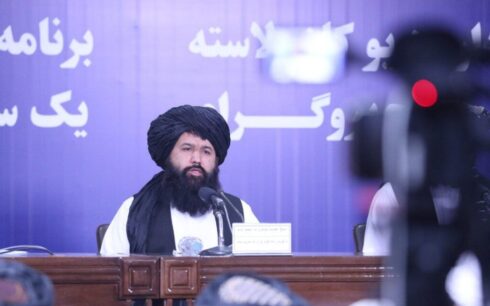
The directives, signed by Nadeem, were outlined in a 10-page order containing 50 rules.