At least 58 Afghans are among more than 1,000 people executed in Iran in less than nine months of 2025, United Nations experts, including Richard Bennett, said Monday, condemning what they described as an “unprecedented execution spree” that violates international law.
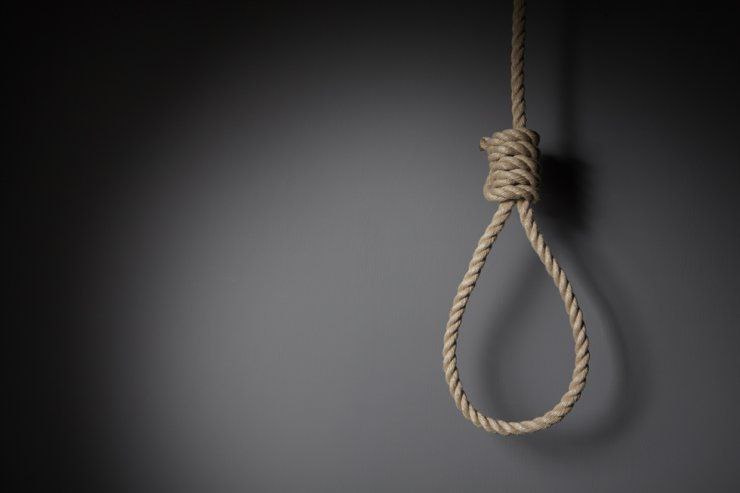
“The sheer scale of executions in Iran is staggering and represents a grave violation of the right to life,” the experts said in a joint statement. “With an average of more than nine hangings per day in recent weeks, Iran appears to be conducting executions at an industrial scale that defies all accepted standards of human rights protection.”
The executions documented since Jan. 1 include 57 Afghan men and one Afghan woman, the experts said. Most of the killings were for drug-related offenses and murder, followed by security charges and rape. At least 499 people were executed for drug crimes alone, a sharp increase from the 24 to 30 such executions recorded annually between 2018 and 2020.
“The extensive use of the death penalty for drug-related offences is particularly alarming,” the statement said, stressing that international law restricts capital punishment to the “most serious crimes,” interpreted as intentional murder. “Drug offences do not meet this threshold.”
The experts said Iran’s executions disproportionately affect marginalized groups, including ethnic minorities, who often lose their limited assets such as homes and farmland after relatives are executed.
They also reported that Iran executed 10 people on espionage charges this year, including eight after June 13, following Israel’s latest military escalation. A new espionage bill passed in Tehran has broadened the definition of spying to include media-related activity, such as contact with foreign or diaspora outlets.
The experts urged Tehran to immediately establish a moratorium on all executions, release official data on death sentences, ensure fair trial standards and work toward abolition of the death penalty.
“With a further amendment to Iran’s 2017 drug law under review, the authorities have a critical opportunity to reverse this alarming trend and end capital punishment for drug-related crimes,” they said.
They also called on the international community not to remain silent. “States must take concrete diplomatic action to pressure Iran to halt this execution spree,” the experts said.