Afghanistan’s Chamber of Commerce and Investment (ACCI) says the transit of goods to Afghanistan through three of the region’s most important ports has been suspended, raising concerns about supply disruptions and higher import costs as tensions escalate in the Middle East.
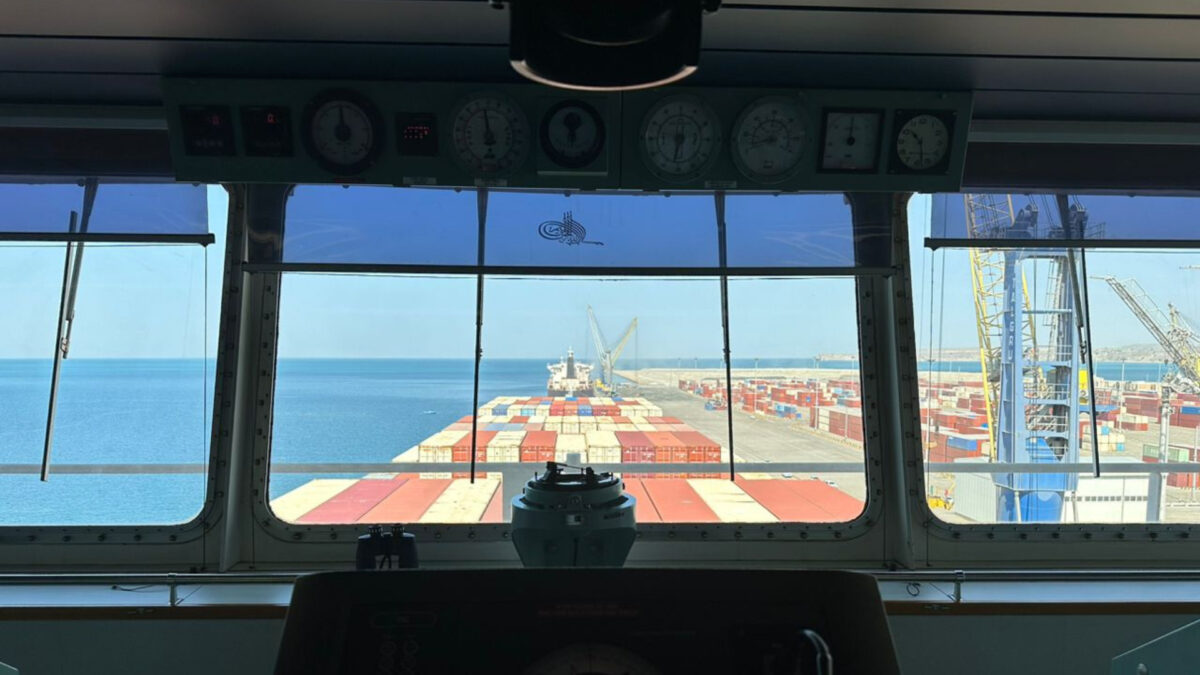
Khan Jan Alokozay, a board member of the chamber, told Amu TV that cargo movement through Iran’s Chabahar and Bandar Abbas ports has stopped following recent attacks, while shipments from the Jebel Ali port in the United Arab Emirates have also been suspended for the past three days.
“Loading operations at Bandar Abbas and Chabahar have completely stopped,” Alokozay said. “Goods that were coming through Jebel Ali have also not been arriving for the past two or three days.”
The chamber said a significant share of Afghanistan’s imports is routed through Jebel Ali before being shipped onward to the country.
The Associated Press reported that the port’s maritime control tower at Chabahar was destroyed in the recent attacks. Chabahar has long served as a strategic trade corridor for landlocked Afghanistan and other countries in the region.
Economic analyst Siyar Quraishi said heightened tensions involving Iran were likely to make trade routes through Chabahar and Bandar Abbas slower and more expensive.
“The crisis will increase insurance costs, freight charges and shipping delays,” he said.
According to the Chamber of Commerce, nearly all of Afghanistan’s principal maritime trade routes are now disrupted.
The chamber said the country’s key import corridors—including Pakistan’s Karachi Port and the Wagah border crossing, as well as Iran’s Chabahar and Bandar Abbas ports and the UAE’s Jebel Ali port—are either closed or operating under significant restrictions, disrupting trade flows into Afghanistan.
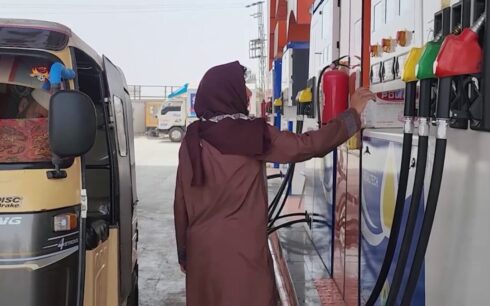
Business leaders also warned that the regional instability is beginning to affect domestic fuel prices.
“The biggest factor is that oil storage facilities and refineries supplying Afghanistan have been affected,” said Mohammad Younus Momand, another board member of the chamber. “As a result, fuel prices have increased both globally and across the region.”
The disruption comes as Afghanistan’s imports had been recovering. The World Bank reported that the country’s imports rose 11 percent in May from the previous month, reaching more than $900 million, underscoring the economy’s continued dependence on regional trade routes.