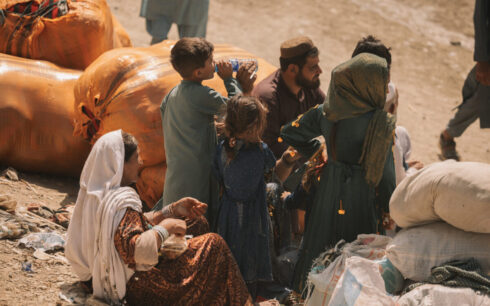
Afghan migrants who were deported from Pakistan and have since settled in Farah province say they are struggling to survive, citing widespread unemployment, limited access to healthcare and a lack of humanitarian assistance.
The complaints come as Pakistan has accelerated the deportation of undocumented Afghans in recent weeks, sending thousands back to a country already grappling with economic hardship and a strained aid system.
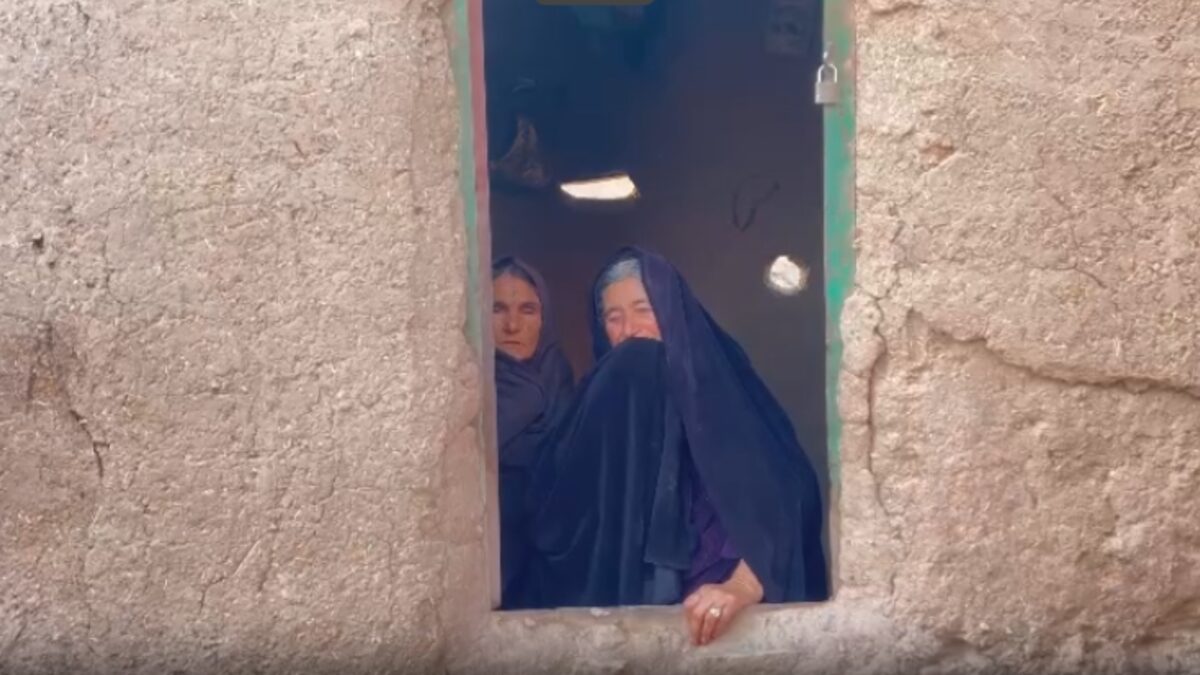
Pari Gul, who was deported from Pakistan two years ago, now lives with her family in a dilapidated house in Farah. As the sole provider for three family members, she said she has been unable to find work or afford basic necessities.
“I swear to God, I have nothing—not even a single afghani,” she said. “We have nothing to eat or wear. All returnees are living like this.”
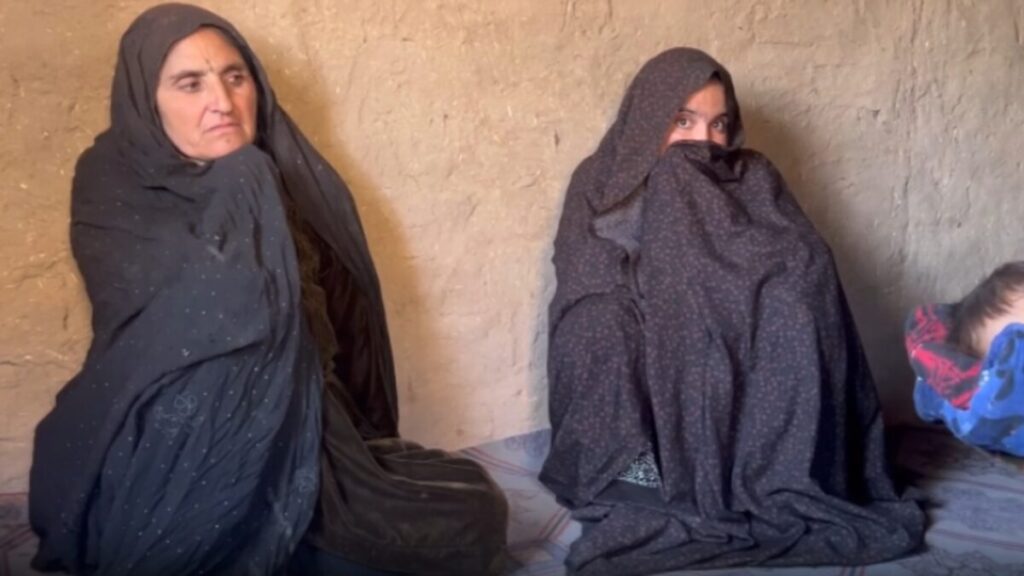
Another returnee, Nazo, said she suffers from kidney disease but cannot afford medical treatment.
“I have no money,” she said. “My children are hungry and thirsty, and my kidneys are sick. I cannot afford treatment.”
Other returnees said they also struggle to access free medical services.
“I don’t have flour, rice or even fuel at home,” said Sheima, another deported migrant. “I’ve been sick for a long time. I went to the doctor three days ago and again yesterday, but I’m still not getting better.”
Over the past two years, thousands of Afghans deported from Pakistan have settled in western provinces, particularly Farah and Herat, according to local residents and aid workers.
Like many Afghans returning from both Pakistan and Iran, they face high unemployment, limited public services and rising living costs, making it difficult for many families to rebuild their lives after returning home.
The United Nations has repeatedly warned that Afghanistan’s growing influx of returnees is placing additional pressure on humanitarian services and local communities already struggling with widespread poverty.