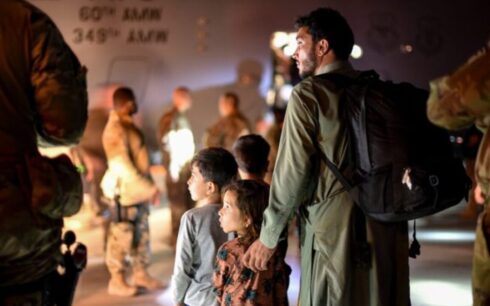
Pakistan expelled more than 20,000 Afghan migrants over the past week, according to figures compiled by Amu from reports issued by the Taliban’s High Commission for Refugees.
The data show that 20,764 migrants were returned from Pakistan between June 12 and June 19, while another 1,846 people were deported from Iran during the same period. Most of the returns were reported to be involuntary.
The migrants reentered Afghanistan through the Torkham, Spin Boldak, Islam Qala and Pul-e-Abrisham border crossings, according to the commission’s reports.
The latest figures represent an increase from the previous week, when Pakistan expelled 18,794 Afghan migrants between June 5 and June 11 through the Torkham and Spin Boldak crossings.
The deportations are part of an ongoing campaign by Pakistan and Iran to remove undocumented Afghan nationals, a policy that has accelerated over the past year despite warnings from humanitarian agencies about the impact on returnees and host communities in Afghanistan.
According to the International Federation of Red Cross and Red Crescent Societies (IFRC), more than 5.2 million Afghans returned from Iran and Pakistan between January and the end of November 2025, including more than 1.3 million people who were deported.
The organization said more than 3.6 million people returned from Iran, including roughly 1.2 million deportees, while about 804,830 returned from Pakistan, of whom 116,100 were forcibly removed.
Aid agencies say returns accelerated sharply after April 2025 as both countries tightened immigration enforcement measures.
In Pakistan, authorities expanded the second phase of the Illegal Foreigners Repatriation Plan (IFRP), initially targeting undocumented Afghans and holders of Afghan Citizen Cards before later extending the policy to some registered Afghan refugees. Humanitarian organizations have warned that the measures have heightened fears among Afghans living in Pakistan and increased pressure on those returning to Afghanistan.
Most returnees from Pakistan have crossed through the Torkham and Spin Boldak border crossings, while large numbers returning from Iran have entered through Islam Qala in Herat province and the Milak-Zaranj crossing in Nimroz province.
The International Organization for Migration (IOM) previously reported that 114,321 Afghans returned from Iran and Pakistan between April 26 and May 9, either voluntarily or through deportation. The agency said the group included 14,778 families, many of them women and children.
The United Nations and humanitarian organizations have repeatedly warned that Afghanistan is struggling to absorb the large influx of returnees. Many arrive with few financial resources and face challenges securing housing, employment, healthcare and education.
Aid agencies have also noted that returns have continued at unusually high levels despite seasonal conditions that typically reduce cross-border movement, suggesting that enforcement measures and protection concerns are driving migration patterns more than weather-related factors.
The latest deportations come as Afghanistan faces a severe humanitarian crisis, with millions of people dependent on aid and an economy still struggling to recover from years of conflict, sanctions and international isolation.