More than half of Afghanistan’s population is affected by drought and water scarcity, the United Nations Assistance Mission in Afghanistan said Friday, warning that a deepening climate crisis is threatening livelihoods, food security and stability across the country.
In a statement marking World Environment Day, UNAMA said prolonged drought, declining water resources, floods and environmental degradation are placing increasing pressure on communities already struggling with poverty and economic hardship.
The UN mission said repeated crop failures have been reported in several regions, while shrinking water supplies are fueling competition over land and water.
“Our river has become unpredictable,” a farmer in Goshta district of Nangarhar Province said in the statement. “Last year, it dried when we needed it most; this year it flooded and destroyed half of our crops.”
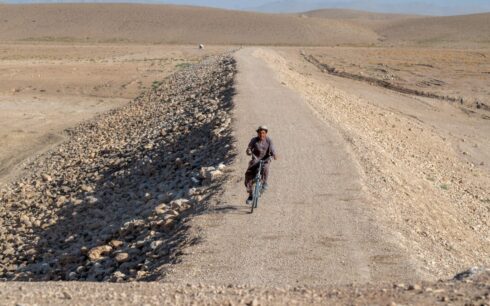
UNAMA said the situation is particularly severe in the southern provinces of Kandahar, Helmand, Nimroz, Zabul and Uruzgan, where recurrent drought, declining rainfall and unregulated groundwater extraction have pushed water systems to the brink.
According to the mission, rivers are drying up, traditional irrigation systems have collapsed and many communities are being forced to drill increasingly deeper wells, often without success.
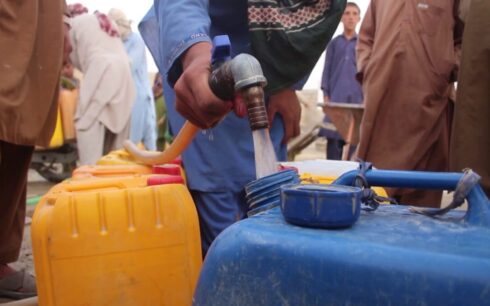
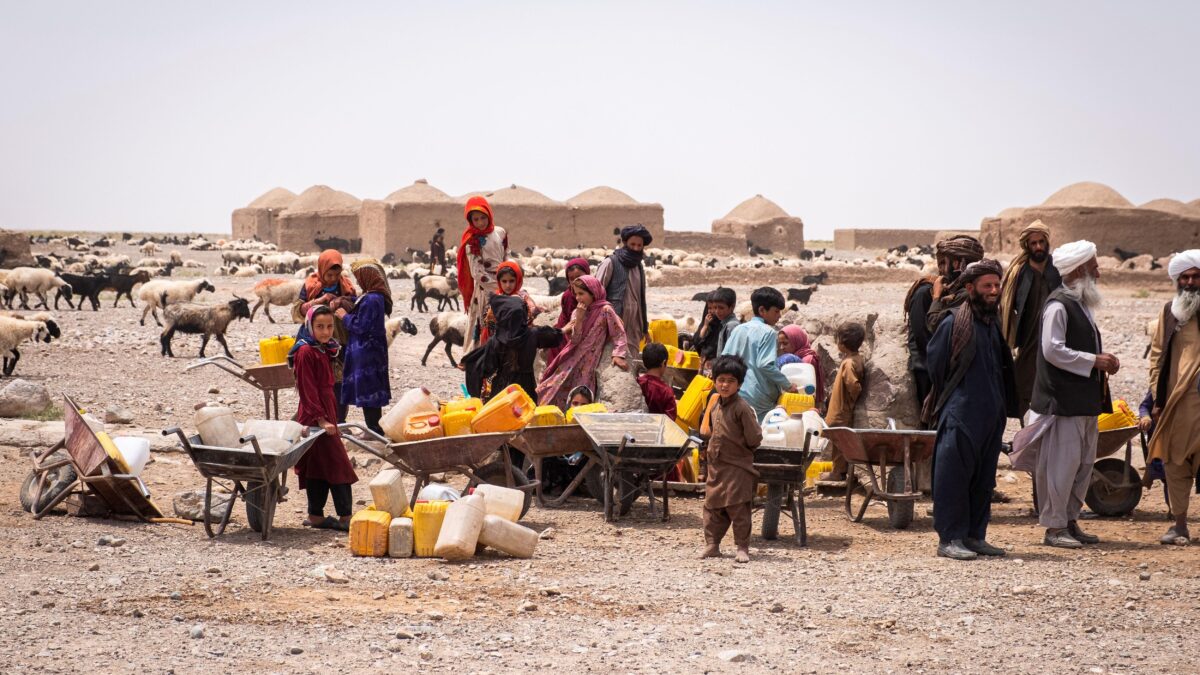
The consequences are widespread. Agricultural output is declining, access to safe drinking water is shrinking and families are being displaced in search of water. Competition over scarce resources is also increasing tensions in some areas, UNAMA said.
In western Afghanistan, communities face a different but equally severe challenge. While provinces such as Ghor and Farah continue to experience prolonged drought, other areas have been hit by heavy rainfall and flash floods that have destroyed homes, farmland and infrastructure.
Elsewhere, extreme weather events are becoming more frequent and unpredictable. UNAMA said flooding has intensified in central and eastern provinces, including Logar, Parwan and Kapisa, while strong winds and dust storms in the south have damaged crops and contributed to respiratory illnesses.
Environmental degradation is further worsening the crisis, according to the mission. Deforestation in Kunar, Nuristan and Logar has reduced natural protection against floods and landslides, while overgrazing and ecosystem degradation in mountainous regions such as Badakhshan have contributed to biodiversity loss. Unregulated mining activities are also damaging land and polluting water sources.
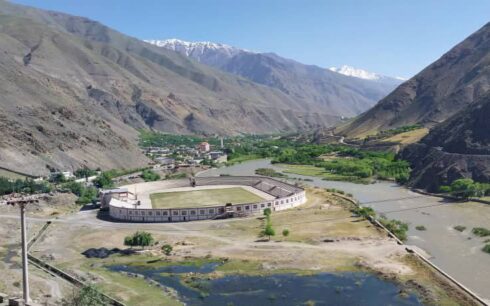
Urban areas are facing mounting environmental pressures as well. In Kabul, air pollution remains a major public health concern, particularly during the winter, driven by the use of low-quality fuels and poor waste management. In Panjshir, Kapisa and Maidan Wardak, growing tourism has increased waste in rivers and valleys, highlighting the need for stronger environmental protections.
Despite the challenges, UNAMA pointed to efforts aimed at strengthening climate resilience.
Among them is the Qosh Tepa Canal, one of Afghanistan’s largest irrigation projects, which seeks to divert water from the Amu Darya River to northern provinces to expand irrigation and increase agricultural production. The mission said the project’s long-term success will depend on sustainable water management.
UNAMA also highlighted community-led initiatives, including the planting of drought-resistant vegetation to stabilize sand dunes and riverbanks, as well as improved irrigation methods and water-retention systems designed to conserve scarce resources.
The UN mission said it has supported climate awareness and environmental protection efforts across Afghanistan, bringing together local authorities, environmental institutions, journalists and community leaders to promote sustainable practices.
The warning comes as Afghanistan remains among the countries most vulnerable to climate change despite contributing minimally to global greenhouse gas emissions. Humanitarian agencies have repeatedly warned that climate shocks are compounding existing challenges, including poverty, displacement and food insecurity.
“As climate pressures intensify, coordinated action remains critical to building resilience and protecting Afghanistan’s natural resources,” UNAMA said.