Afghanistan faces growing pressure on its water resources despite generally favorable crop conditions, the United Nations Food and Agriculture Organization warned in a new report, saying declining snow reserves, falling groundwater levels and rising temperatures could threaten agriculture and livestock production in the months ahead.
While this year’s wheat harvest is expected to be broadly positive, the agency said water availability is emerging as the key challenge for farmers as summer begins. Reduced river flows, increasing irrigation demand and the likely development of El Niño later this year could add further strain to the country’s agricultural sector.
“Water availability is therefore likely to become an increasingly important determinant of summer crop performance, livestock production and rangeland conditions,” the FAO said.
The agency’s June climate and agricultural outlook found no signs of widespread crop failure and said recent spring rainfall had supported crop development across most of Afghanistan’s major rainfed wheat-growing areas. Pasture conditions have also improved in many parts of the country, benefiting livestock producers.
But the report warned that below-average snow reserves in the Hindu Kush and Central Highlands, combined with warmer-than-normal temperatures, are expected to reduce water availability during the peak irrigation season.
Forecasts cited by the FAO indicate an 82 percent chance that El Niño conditions will emerge during the May-to-July period and a 96 percent probability that the climate pattern will persist through the winter of 2026-27. While El Niño is often associated with wetter winters in Afghanistan, it can also bring significant weather variability and uncertainty.
The agency said temperatures across southern and western Afghanistan are expected to remain between 0.5 and 2 degrees Celsius above normal in June, increasing evaporation rates and irrigation demand. In many areas, temperatures are forecast to exceed 35 degrees Celsius.
Field assessments conducted across all 34 provinces found generally positive expectations for this year’s wheat harvest. The survey, based on 345 focus group discussions with farmers, livestock owners and local officials, found that 81 percent of respondents expect good irrigated wheat yields, up from 47 percent a month earlier.
Rainfed wheat production also appears relatively strong. About 64 percent of respondents said they expect average or good harvests, and most farmers reported that crops were developing on schedule or earlier than usual. Harvesting is expected to continue through July.
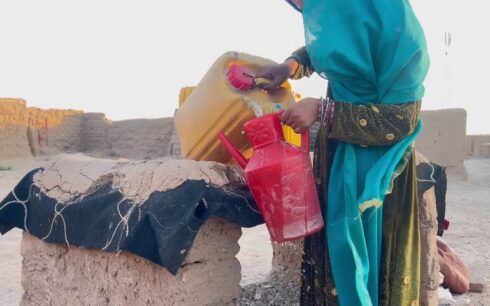
However, concerns over water availability have intensified. Nearly half of respondents identified water shortages as a major challenge, while others cited pest infestations, crop diseases and declining groundwater levels.
The report found that only half of surveyed communities reported adequate irrigation water supplies, down sharply from 77 percent in the previous month.
Around 40 percent of surveyed areas depend on groundwater for irrigation, making falling water tables a growing concern for agricultural production. Reduced river flows and disputes over water distribution have also emerged as challenges in several regions, according to the report.
Conditions for livestock have improved following spring precipitation. Pasture growth was reported in nearly two-thirds of surveyed areas, and three-quarters of respondents said grazing conditions were better than at the same time last year.
Still, the FAO warned that rising temperatures and diminishing moisture could reverse those gains later in the summer, particularly in parts of northern and northwestern Afghanistan where pasture conditions remain fragile.
The agency said continued monitoring of weather conditions, water resources and agricultural production will be critical as Afghanistan enters the hottest months of the year.