Taliban are seeking broader diplomatic representation across Europe in exchange for cooperating with European efforts to deport Afghan migrants, according to a report by the German broadcaster NDR.
The report said Taliban officials have told European counterparts that countries seeking cooperation on migrant returns to Afghanistan should, at a minimum, accept Taliban-appointed representatives at Afghan embassies and consulates, similar to arrangements already in place in Germany.
According to NDR, the issue is expected to be among the Taliban’s key demands in upcoming discussions in Brussels focused on Afghan migration and deportation policies.
The report comes amid growing European debate over how to manage returns of Afghan migrants while avoiding steps that could be interpreted as formal recognition of Taliban rule.
Several Afghan diplomats told NDR that Taliban are prepared to cooperate on deportation procedures and consular coordination if additional European countries permit Taliban-linked personnel to operate inside Afghan diplomatic missions.
Critics, however, warned that such arrangements could gradually allow the Taliban to take effective control of Afghanistan’s embassies and diplomatic representations in Europe.
Many Afghan embassies across Europe are still staffed by diplomats appointed under the former Western-backed Afghan government that collapsed in August 2021.
According to the report, Germany and Norway are currently the only European countries where Taliban-linked diplomats have formally been allowed to operate.
Since last year, two Taliban-appointed consular employees have been working at Afghanistan’s embassy in Berlin and consulate in Bonn. German officials have said the arrangement was intended to facilitate deportation procedures involving Afghan nationals.
NDR reported, however, that the Taliban representatives have effectively assumed operational control of those missions, although the German government has not officially acknowledged that claim.
In Oslo, a Taliban-appointed representative has formally overseen Afghanistan’s diplomatic mission since 2025.
The reported negotiations come as the European Union faces mounting political pressure over migration and asylum policies.
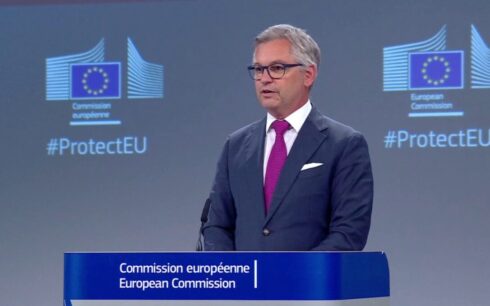
The European Commission recently confirmed that Taliban representatives had been invited to a technical meeting in Brussels concerning the return of Afghan migrants. Markus Lammert, a European Commission spokesman, said the invitation was issued jointly by the European Commission’s Directorate-General for Migration and Home Affairs and Sweden’s Justice Ministry.
Lammert stressed that the proposed meeting was technical in nature and followed earlier discussions held in Afghanistan in January involving European officials.
According to the Commission, the initiative was requested by 20 European Union and Schengen-area countries seeking a more coordinated approach toward contacts with Taliban authorities on migrant returns.
The invitation has triggered criticism from human rights groups and left-leaning political parties in Europe, which argue that direct engagement with Taliban representatives risks legitimizing a government accused of widespread human rights abuses.
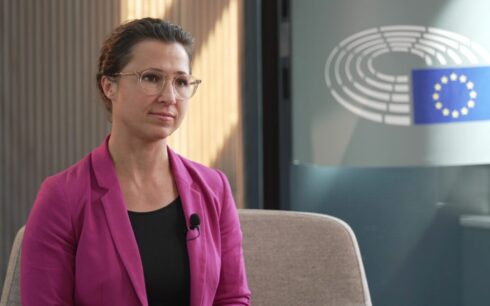
Euronews previously reported that members of the Socialist and Democratic bloc in the European Parliament strongly criticized the initiative. Juan Fernando López Aguilar, a Spanish socialist lawmaker and member of the parliament’s civil liberties committee, reportedly described the move with “surprise” and “anger” and said the issue should be debated publicly in parliament.
Taliban have sought expanded diplomatic engagement with European countries as they attempt to reduce international isolation nearly five years after returning to power.
At the same time, European governments have faced increasing domestic pressure to tighten asylum policies and accelerate deportations of migrants whose applications have been rejected.
Human rights organizations and UN agencies have repeatedly warned against forced returns to Afghanistan, citing continuing risks to women, former government employees, journalists, activists and other vulnerable groups under Taliban rule.