The bloc says discussions focused solely on deporting Afghan migrants convicted of crimes, as Germany defended limited technical contacts and lawmakers warned against legitimizing the Taliban.
The European Union said on Thursday that it had made no concessions to the Taliban during this week’s talks in Brussels, insisting the discussions were limited to the technical aspects of returning Afghan migrants convicted of crimes.
The meeting on Tuesday brought together a five-member Taliban delegation and officials from the European Commission and 15 EU member states, marking the first time the bloc had hosted Taliban representatives since they returned to power in Afghanistan in 2021.
The talks sparked criticism from human rights groups, European lawmakers and former Afghan officials, who warned that hosting Taliban representatives risked conferring political legitimacy on the group.
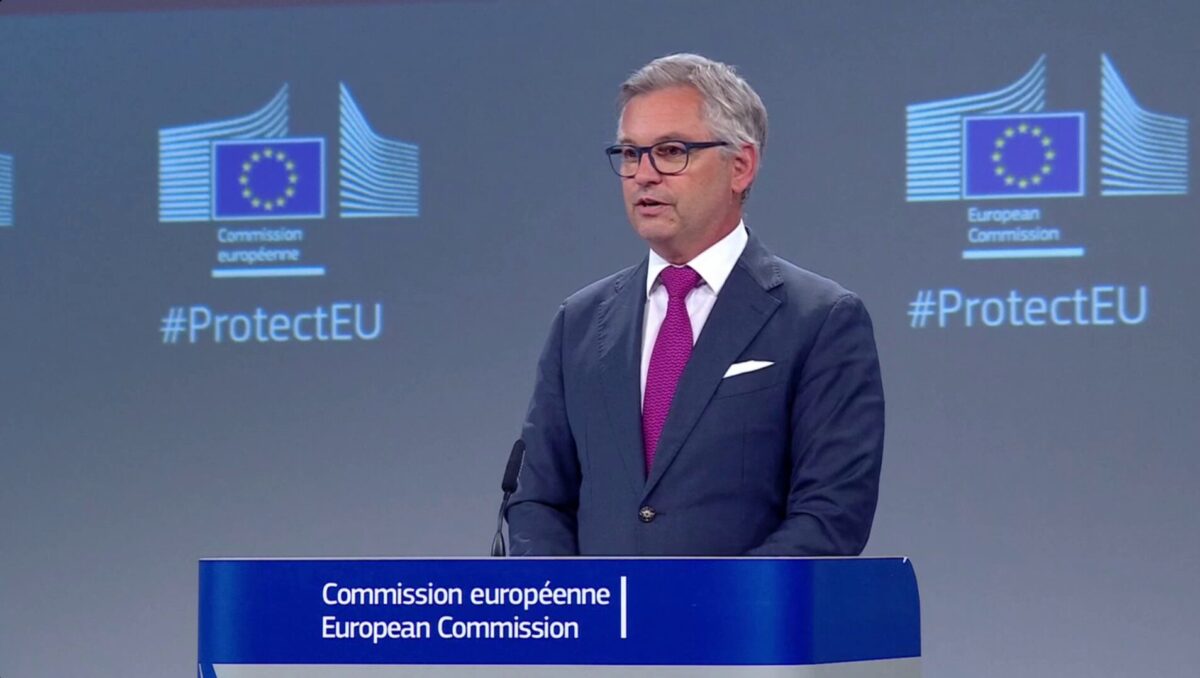
Responding to the criticism, Magnus Brunner, the EU commissioner for internal affairs and migration, said the meeting was purely operational.
“This is not about giving or receiving concessions. There are no concessions,” Brunner said. “The discussions were solely about operational issues—how to return criminals. That is what the negotiations were about. In my view, this is a normal process.”
The European Commission has said the talks focused on the return and readmission of Afghan nationals who have no legal right to remain in the European Union, particularly those convicted of serious crimes or considered security threats.
Meanwhile, German Chancellor Friedrich Merz defended Berlin’s limited engagement with the Taliban, saying Germany had no intention of normalizing relations but needed technical contacts to facilitate deportations.
“We are not extending a hand of friendship to the Taliban regime,” Merz said in parliament. “What is taking place is technical cooperation at the lowest possible level in Germany’s national interest, so that we can return Afghan men who have committed crimes in our country.”
The Brussels meeting has intensified debate within Europe over how to balance migration policy with the bloc’s human rights commitments.
In an open letter published this week, members of the European Parliament, Germany’s Bundestag and former Afghan lawmakers urged EU leaders to reject any migration arrangements that could strengthen the Taliban’s international standing.
The letter warned that “every invitation, every visa and every official meeting” sends a political signal and called on the EU not to invite Taliban representatives to Brussels or other European capitals for political, diplomatic or migration-related talks.
The signatories also urged the bloc to reject any deportation agreements conditioned on political cooperation, diplomatic access or recognition of Taliban representatives.
The Taliban delegation, led by Foreign Ministry spokesman Abdul Qahar Balkhi, said the discussions extended beyond migration and included the possible restoration of consular services for Afghans in Europe, confidence-building measures and broader engagement with European countries.
The European Union has maintained that the talks do not constitute recognition of the Taliban rule, which remains unrecognized by the bloc and its member states. Nevertheless, the meeting has drawn sustained criticism from rights organizations, which argue that official engagement risks legitimizing a regime that has committed “widespread human rights abuses”, particularly against women and girls.