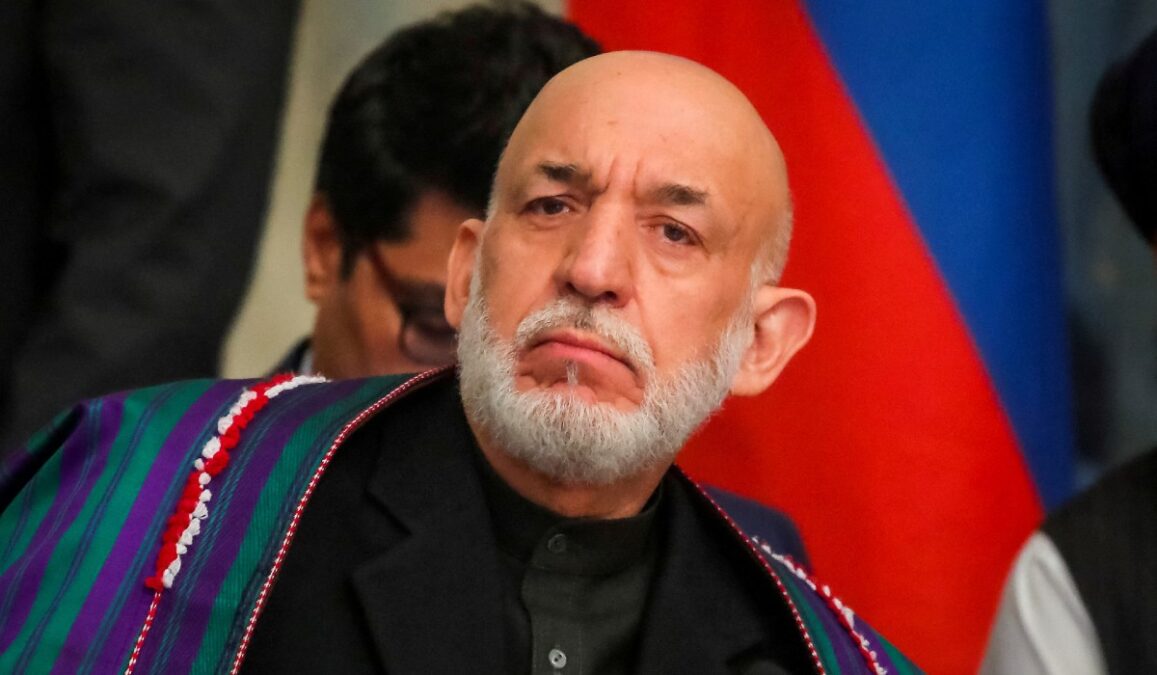
Former President Hamid Karzai used his Eid al-Adha message to renew calls for the Taliban to reopen schools and universities to girls and allow women to return to work, saying education is essential to Afghanistan’s future.
Karzai said he hoped girls would soon be able to resume their education and that women and qualified professionals would be given the opportunity to contribute to the country’s social and economic development.
“The progress and prosperity of Afghanistan depend on a united and educated nation,” Karzai said.
He described Afghanistan as a shared homeland for all its citizens and said every Afghan should feel a sense of ownership and belonging in the country. He also emphasized the importance of education, knowledge and the development of skilled professionals for Afghanistan’s future.
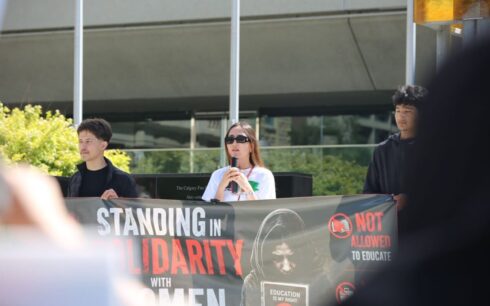
Karzai’s remarks come as the Taliban continue to bar girls from secondary schools and universities, making Afghanistan the only country in the world where girls are prohibited from education beyond the primary level. Taliban authorities have also imposed broad restrictions on women’s employment and public participation.
The former president has repeatedly called for the restoration of girls’ education since the Taliban returned to power in August 2021, arguing that education is essential for national development and stability.
In another part of his message, Karzai expressed sympathy with families affected by recent floods and heavy rains that have killed hundreds of people across Afghanistan in recent months.
He urged humanitarian organizations and citizens to continue assisting flood victims as well as migrants returning from neighboring countries.
Karzai also paid tribute to those killed in recent Pakistani airstrikes and cross-border attacks, offering condolences to their families.
His comments come as Afghanistan faces mounting humanitarian and economic pressures, including large-scale migrant returns, climate-related disasters and ongoing restrictions on women and girls that have drawn widespread international criticism.