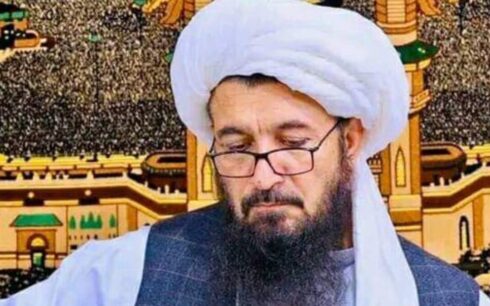
Hussaindad Sharifi, a key Shiite cleric in Kabul, has warned that the Taliban’s treatment of Shiite scholars and restrictions on Jaafari religious practices could fuel sectarian tensions in the country.
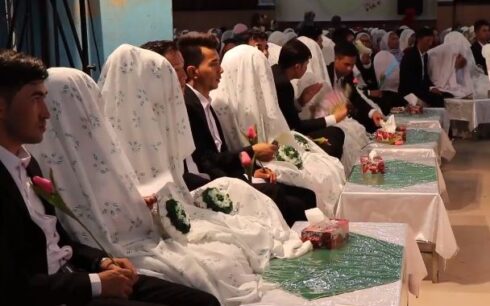
Sharifi said Taliban had interrogated, threatened and in some cases forced guarantees from dozens of Shiite religious scholars accused of officiating temporary marriages, a practice recognized in Jaafari jurisprudence but rejected by Sunni hard-line interpretations followed by the Taliban.
Sharifi spoke publicly days after he said he was summoned by Taliban morality police in Kabul’s 18th police district and subjected to insults, humiliation and physical abuse over his role in officiating a temporary marriage for a young couple.
“They told us not to practice our own faith,” Sharifi said in a video statement circulated online. “If this is the case, then they should officially announce that Shiites are no longer allowed to practice their religion.”
He said Taliban had treated Shiite clerics “like criminals” and warned that continued pressure against Shiite religious practices could create divisions within Afghanistan’s society.
Sharifi said Taliban have summoned dozens of Shiite clerics to police stations, forced some to sign written pledges and warned them they could face imprisonment if they continued conducting temporary marriages.
“This is an insult to our faith and our beliefs,” he said.
Taliban have not publicly responded to the allegations.
The controversy has drawn criticism from Shiite political and religious figures.
Mohammad Mohaqiq, leader of the People’s Islamic Unity Party of Afghanistan, said that Jaafari personal status law has previously been formally recognized under Afghanistan’s former constitutional system but that Shiite religious rights had increasingly come under pressure since the Taliban returned to power in 2021.
“With the arrival of the Taliban, not only was the Jaafari school effectively stripped of official recognition, but many restrictions have also been imposed on Shiite religious practices and personal status matters,” Mohaqiq said in a statement shared online.
Human rights advocates also warned that increasing restrictions on Shiite religious practices could fuel sectarian tensions in a country where sectarian conflict has historically been less pronounced than in some neighboring states.
Abdul Ahad Farzam, a human rights researcher, said Taliban actions represented “a serious violation of human rights standards” and warned that such policies could intensify religious divisions.
“This could lead to sectarian tensions that Afghanistan previously did not experience at this level,” he said.
The dispute comes amid broader concerns over religious freedom under Taliban rule.
Earlier, Neda Mohammad Nadim said publicly that Afghanistan had no religious schools other than the Hanafi school of Sunni Islam and that all Afghans followed Imam Abu Hanifa — remarks that drew criticism from Shiite communities.
Shiite clerics also say Taliban have detained some Shiite couples involved in temporary marriages and accused them of adultery.
Sharifi said one young Shiite couple had been arrested after Taliban refused to recognize their temporary marriage as valid.
International rights organizations have repeatedly raised concerns about deteriorating religious freedoms in Afghanistan since the Taliban’s return to power.
The US Commission on International Religious Freedom has previously ranked Afghanistan among the world’s worst countries for religious freedom, citing harassment and discrimination against religious minorities under Taliban rule.