Women in a remote district of Badghis province in northwestern Afghanistan say a lack of maternal health services is contributing to rising deaths among mothers and newborns, as clinics supported by international aid groups have become inactive.
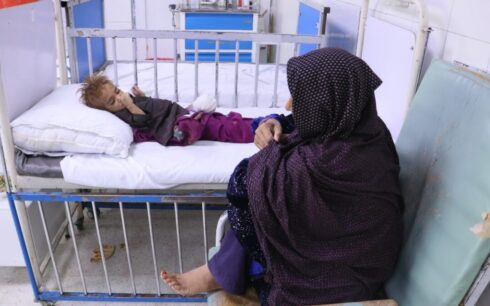
Residents of Bala Murghab district in Badghis say there are no functioning facilities dedicated to maternal care, leaving pregnant women without access to treatment from early pregnancy through childbirth.
Women in the area said all deliveries now take place at home, often assisted by untrained local birth attendants.
“One of my babies died, and two children from our neighbor’s family also died. Between our two families, three children were lost,” said a local resident. “Children need doctors, but we cannot take them to a clinic. There is only one clinic in the whole area, and it doesn’t even provide basic medicine.”
Residents said that clinics in the district were previously more active but have since stopped providing adequate services.
Local birth attendants say they have received no formal medical training but are forced to assist during childbirth due to the absence of professional staff.
“We go to help when a woman is in labor, but sometimes both the mother and the baby are in very bad condition and die,” said Afsana, a resident working as a local midwife.
Another woman, Sahargul, said they have no choice but to step in despite the risks.
“If there were trained midwives, why would we do this?” she said. “But people need help, so we try to save them. If things go well, the baby is born safely. If not, there is nothing we can do.”
Afghanistan’s rural health system has long faced challenges, particularly in remote areas like Bala Murghab, where difficult terrain and insecurity limit access to services.
The situation has worsened in recent years as funding constraints and restrictions affecting women’s education and employment have reduced the number of trained female health workers.
UNICEF has warned that Afghanistan could face a shortage of more than 25,000 female teachers and health workers by 2030 if current restrictions continue.
Aid agencies say female medical staff are essential in Afghanistan, where cultural norms often require women to be treated by women, particularly during pregnancy and childbirth.
Humanitarian organizations have also warned that the country’s health system is under severe strain and at risk of collapse due to reduced funding, staffing shortages and increasing demand.
Residents in Bala Murghab say the impact is already visible, with more frequent reports of deaths during childbirth and limited options for emergency care.
“We are left on our own,” one woman said. “There is no doctor, no medicine, and no help.”