Doctors Without Borders, MSF, has confirmed that one of its female staff members was detained for two days by the Taliban in Herat on charges of violating the Taliban’s dress code.
In a statement released Friday, MSF said the employee was stopped on June 6 by representatives of the Taliban’s Ministry for the Promotion of Virtue and Prevention of Vice while traveling to Herat Regional Hospital, where she worked in an MSF-supported pediatric department. Her husband was accompanying her at the time.
According to the organization, the woman was accused of failing to comply with dress requirements imposed by Taliban. She was released on June 8 after she, her husband and other family members signed a written commitment pledging that she would wear a specific type of dress mandated by the Taliban ministry.
“MSF is outraged by the arrest and detention of one of our employees as part of the enforcement of dress code requirements,” the organization said.
The incident comes amid a broader crackdown on women in Herat that has drawn condemnation from the United Nations, human rights groups and foreign governments.
The UN Assistance Mission in Afghanistan has confirmed that at least 30 women were detained in Herat between June 6 and June 7 by Taliban morality police for allegedly violating dress regulations.
The arrests sparked public protests in the city’s Jebrail area on June 9. UNAMA has confirmed that at least one boy was killed by gunfire during the demonstrations and said it is investigating reports of a second fatality. Human Rights Watch and UN experts have criticized the Taliban’s response, describing the use of force against protesters as excessive.
MSF said its employee’s detention was not an isolated case and warned that growing restrictions on women are affecting both access to health care and the ability of female medical professionals to perform their jobs.
The organization said women already face severe limitations on movement and participation in public life, with direct consequences for the delivery of medical services across the country.
“Women in Afghanistan already face severe restrictions on movement and access to public life, which have direct consequences on their access to care and the delivery of health care services across the country,” MSF said.
Since returning to power in August 2021, the Taliban have imposed sweeping restrictions on women and girls, including bans on secondary and university education, limits on employment and rules governing movement and public appearance.
Among the measures affecting women are requirements to wear full-body coverings in public and, in many circumstances, to travel with a male guardian, known as a mahram.
MSF said such restrictions undermine access to essential health services and create additional barriers for female health workers, who are critical to Afghanistan’s medical system.
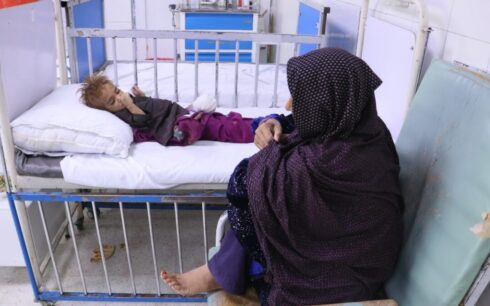
The organization currently operates seven projects across seven provinces, providing maternity, pediatric, trauma and tuberculosis care.
According to MSF, women make up 45 percent of its nursing staff in Afghanistan. In maternity-focused programs, female employees account for more than half of the workforce and are essential in facilities where women can only be treated by female medical staff.
The aid group warned that continued restrictions on women could further weaken Afghanistan’s fragile health-care system, particularly for women and children who depend on female health workers for treatment.
Taliban have not publicly commented on the detention of the MSF employee.