After detentions in Herat, Taliban have expanded warnings over women’s dress requirements to parts of Kabul and Mazar-e-Sharif cities, calling on women and girls to fully comply with their prescribed dress code, local residents and sources said.
In Kabul, Taliban morality police held a meeting with representatives and residents of the District 13 in the west of the city, asking them to warn everyone about the dress requirements that will be implemented starting from this week, according to at least two sources who attended the meeting.
“We cannot go out freely,” a woman in Kabul said. “We are afraid that we could also be taken away and face problems. We are deeply worried about these conditions.”
In a similar meeting, sources said, Taliban morality police warned the residents and representatives of District 13 of Mazar-e-Sharif City that their patrols will increase in the city and that women will face detentions if they deny to implement the Taliban dress code.
One neighborhood representative said Taliban had been instructed to inform residents in advance.
“People are being told to observe the dress requirements,” he said. “If they do not, they will be taken away.”
Fear spreads beyond Herat
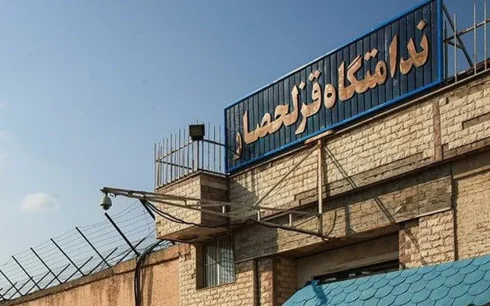
The warnings follow a week of heightened enforcement in Herat, where the United Nations Assistance Mission in Afghanistan (UNAMA) has confirmed that at least 30 women were detained by officials from the Ministry for the Promotion of Virtue and Prevention of Vice and Taliban police over alleged dress-code violations.
The detentions triggered protests in the city’s Jebrail area, where demonstrators called for the release of the women and denounced growing restrictions on women’s rights.
UNAMA has confirmed that at least one boy was killed by gunfire during the protests and said it is investigating reports of a second fatality.
Residents in Herat say the atmosphere in the city remains tense days after the demonstrations.
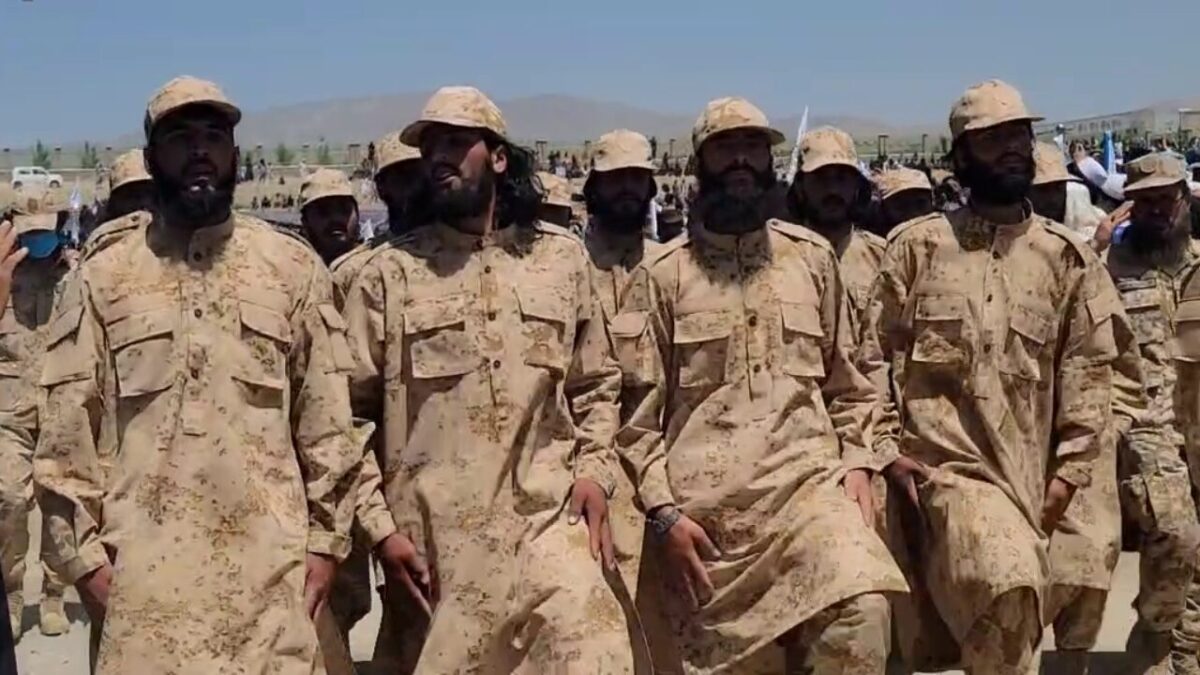
According to local sources, Taliban security forces and morality police continue to maintain a heavy presence across the city, particularly in neighborhoods where protests took place.
A resident of Herat said women have largely disappeared from public spaces.
“When you go to the market, it feels like a city of men,” the resident said. “Very few women are seen outside.”
Residents also reported increased surveillance, saying Taliban forces have expanded patrols and, in some cases, inspect mobile phones at checkpoints and public areas.
Growing criticism
The crackdown has drawn criticism from the United Nations, international rights groups and humanitarian organizations.
Doctors Without Borders, known as MSF, said this week that one of its female employees in Herat was detained for two days over an alleged dress-code violation while traveling to work at a hospital.
Human Rights Watch, UN Women and a group of U.N. human rights experts have also expressed concern over the detention of women and the use of force against protesters.
The Taliban governor of Herat has acknowledged that women were detained in the city and has defended enforcement of what Taliban authorities describe as the “hijab decree.”
The Taliban have not publicly commented on reports of similar warnings being issued in Kabul and Balkh.
For many women, however, the developments have intensified fears that restrictions first enforced in Herat may soon be applied more broadly across the country.
Residents in several cities said the uncertainty has already changed daily life, with many women leaving their homes only when absolutely necessary.