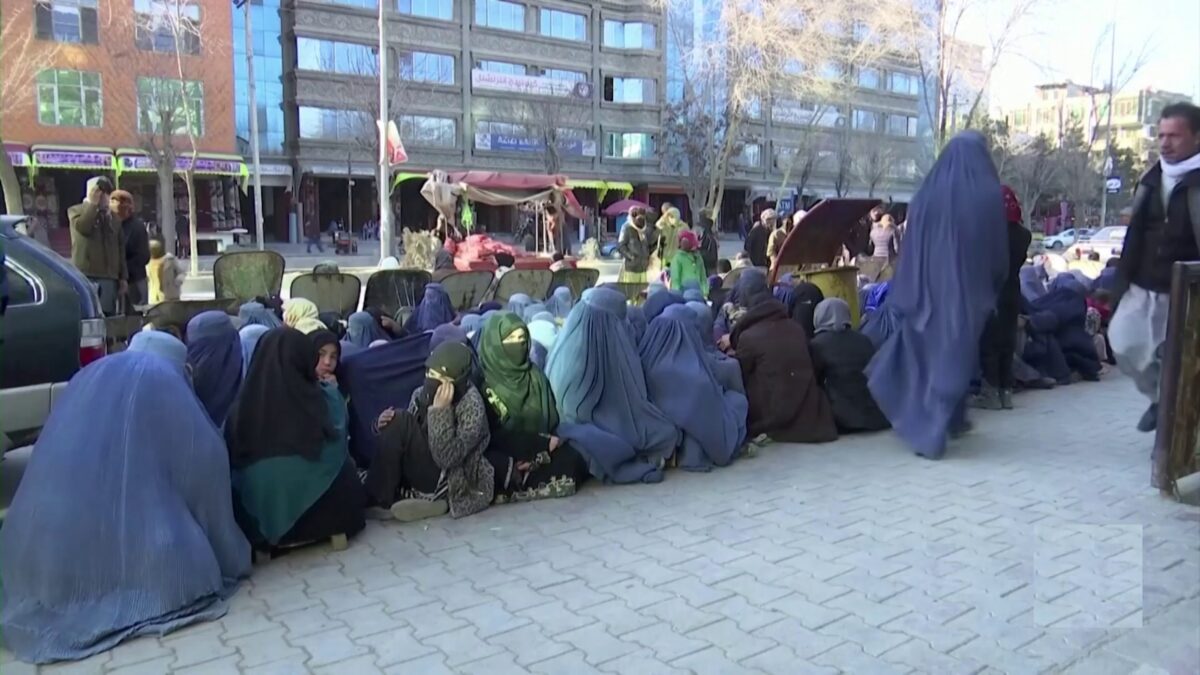
Some women in Kabul say they have been forced into begging after Taliban restrictions barred them from working, leaving female heads of household with few options to support their families.
Local sources told Amu TV that dozens of women, many of them sole providers, have turned to begging in the capital as economic conditions worsen and employment opportunities for women remain sharply restricted. Those affected include widows and women whose male relatives are unable to work, the sources said.
Several women interviewed for this report spoke on condition of anonymity, citing fears for their safety.
One woman, identified by the pseudonym Fereshta, said she lost her job after restrictions on women’s employment tightened and had since struggled to provide food and basic necessities for her family. With no steady income, she said, she eventually turned to begging on the streets.
Another woman, who gave the name Lailuma, described a similar trajectory. She said she had previously supported her household through regular work but now faces mounting financial pressure and uncertainty. “There was a time I could provide,” she said, describing her past employment, “but now I cannot meet even the most basic needs.”
Some women said begging has exposed them to humiliation and the risk of harassment and violence in public spaces. They described being insulted or dismissed by passersby, and in some cases feeling physically unsafe while seeking help.
They called on the international community, particularly the United Nations, to respond more urgently to their situation, citing a lack of support for women who have lost access to work.
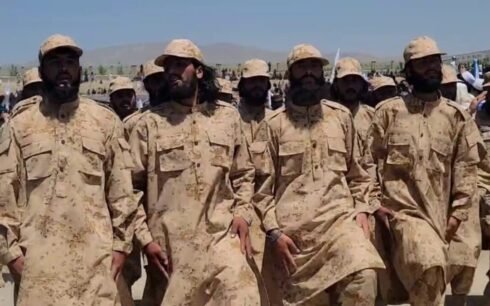
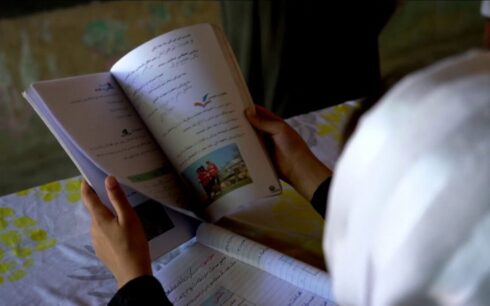
Human rights advocates have also raised concerns about the broader impact of Taliban policies on women’s lives. Since returning to power, the Taliban have barred girls from attending school beyond the sixth grade, banned women from universities, and imposed sweeping restrictions on women’s employment and freedom of movement.
Local sources said the continuation of these measures has contributed to a deepening humanitarian and human rights crisis, with severe economic consequences for families — especially those headed by women.