As Ramadan enters its second week, food prices in markets across the country, particularly in Kabul, remain elevated, adding pressure on families struggling with limited incomes.
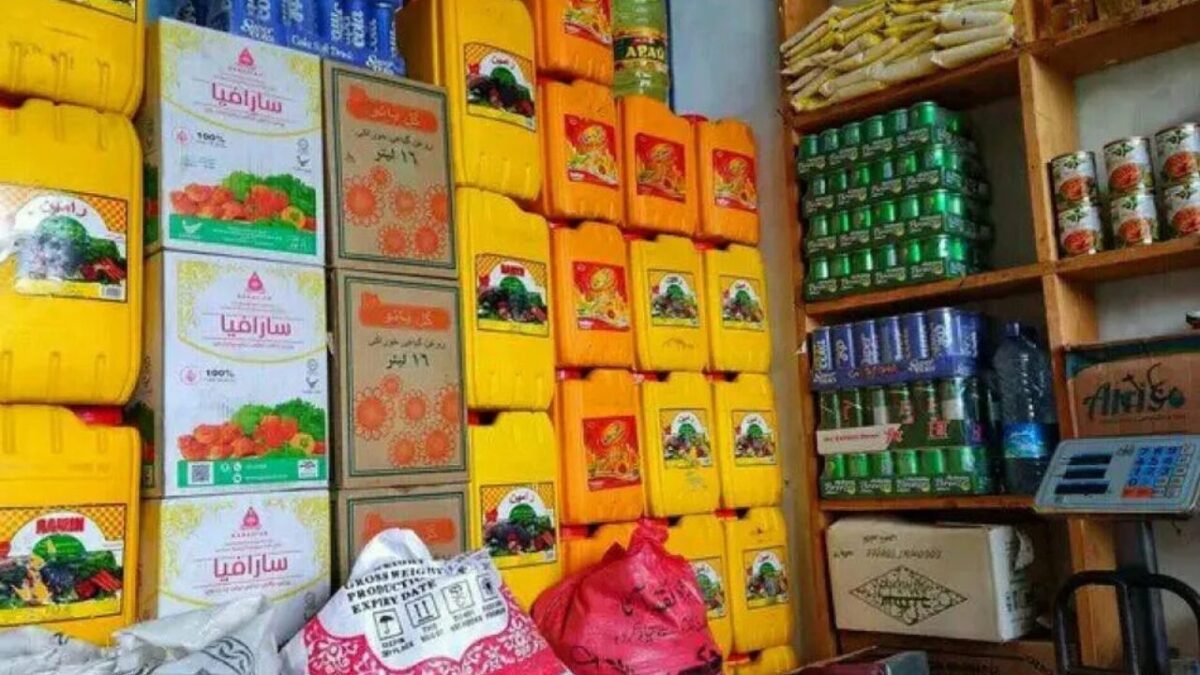
Market surveys in Kabul show that a 50-kilogram sack of rice is selling for between 4,200 and 4,500 afghanis, or about $66.80 to $71.60 at the current exchange rate of 62.86 afghanis to the dollar. A sack of flour costs between 1,400 and 1,550 afghanis (about $22.30 to $24.65), while a 16-liter container of cooking oil is priced between 1,650 and 1,800 afghanis (roughly $26.25 to $28.65).
Several residents said their purchasing power had declined sharply in recent months.
“People are poor. There is no work,” said Sayed Mohammad, a Kabul resident. “Prices have gone up. It’s Ramadan, and it’s winter. The weather is cold, and life is difficult.”
Day laborers said their irregular income makes it increasingly difficult to cover basic expenses. Nasir Ahmad, who rents his home, said he struggles to meet daily needs. “There is no other work we can do,” he said. “There should be proper job opportunities so we can provide for our families.”
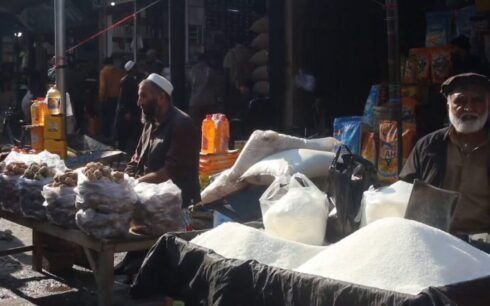
Some economists say price increases during Ramadan are common, as demand for food typically rises during the fasting month. Zahir Behzadi, an economic analyst, said that heavier foot traffic in food markets often leads suppliers to raise prices.
“With the arrival of Ramadan, many people turn to the markets, especially food markets,” he said. “As demand increases, suppliers raise prices.”
The increases come even as the value of the US dollar has declined in local markets. In previous years, food prices often moved in tandem with currency fluctuations, falling when the dollar weakened. This time, however, prices have remained high despite the stronger afghani, leaving many households under continued financial strain.