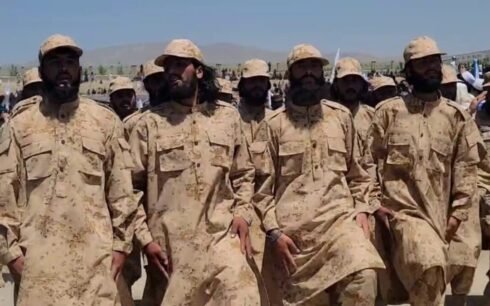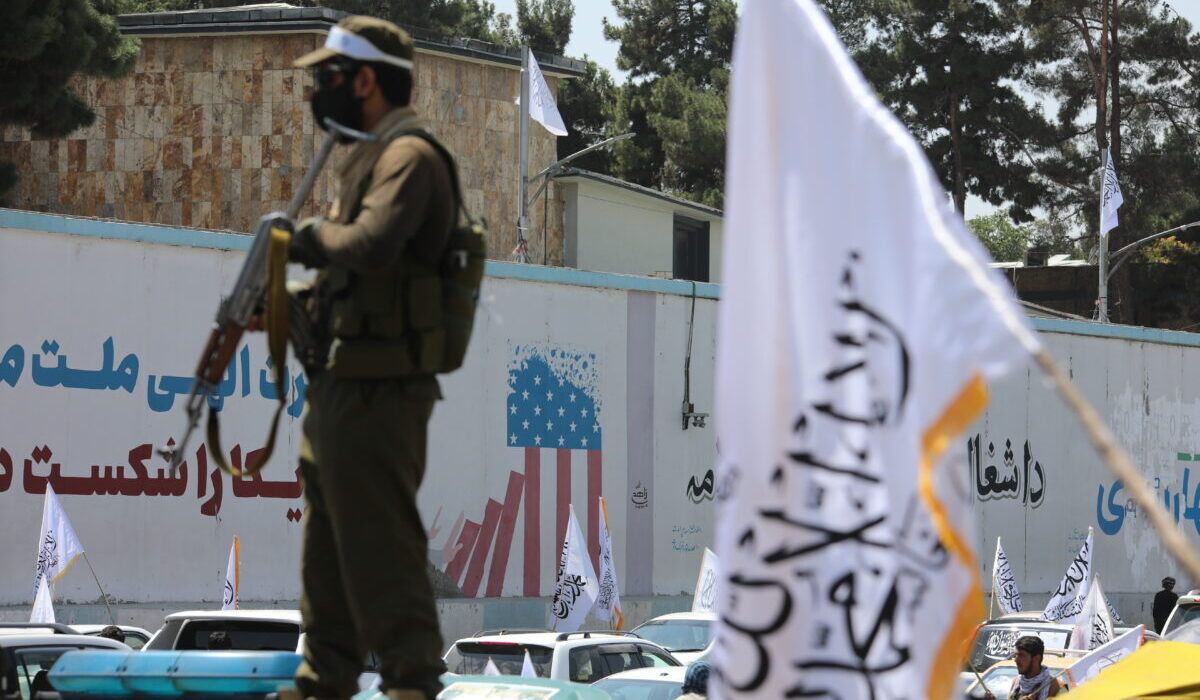
Leaders of al Qaeda’s Indian Subcontinent branch are based in Kabul and the Taliban have provided a permissive environment for several militant groups, including the Pakistani Taliban, UN sanctions monitors said in a new report.
In a report to the UN Security Council, the Analytical Support and Sanctions Monitoring Team said the Taliban authorities had afforded Tehrik-e-Taliban Pakistan (TTP) greater freedom of movement and operational support inside Afghanistan, contributing to a rise in attacks in Pakistan.
The report said TTP attacks launched from Afghanistan’s soil had grown increasingly sophisticated, involving larger numbers of fighters and the use of advanced military equipment.
“TTP used advanced assault rifles, night-vision devices, thermal imaging systems, sniper systems and drone attack systems,” the report said. “Most of these were provided by the de facto authorities, along with weapons licences and travel documents.”
The monitors said Taliban officials had taken action against Islamic State Khorasan (IS-K) and had constrained the external activities of some other groups. However, they added that TTP had been granted greater operational latitude and support, leading to increased attacks against Pakistan and heightened regional tensions.
The report said al Qaeda in the Indian Subcontinent (AQIS) remained in southeastern Afghanistan, in areas under the influence of the Haqqani network.
According to the monitors, Osama Mahmood, the emir of AQIS, and his deputy, Yahya Ghouri, are based in Kabul, while the group’s media unit operates from Herat.
“There were concerns that AQIS was increasingly focusing on external operations,” the report said.
The report also said Islamic State Khorasan had maintained significant operational and combat capability in Afghanistan, operating mainly in the north, particularly in Badakhshan and areas near the Pakistani border, with the potential to pose a regional threat.
In addition, members of the East Turkestan Islamic Movement, which opposes China, were concentrated in Badakhshan, the report said. With the support of the de facto authorities, including the issuance of identity documents, they were able to move freely inside Afghanistan and had gradually consolidated their presence there.
One member state told the monitors that the group financed itself through poppy cultivation and mining. About 250 members joined the Taliban police force in 2025, according to the report.
The monitoring team also cited reports of foreign fighters being trained in dedicated camps in Badakhshan province.
While the Taliban have asserted that no terrorist groups operate within Afghanistan’s borders, no Security Council member supported that assessment, the report said.
Taliban have not yet responded to the findings.