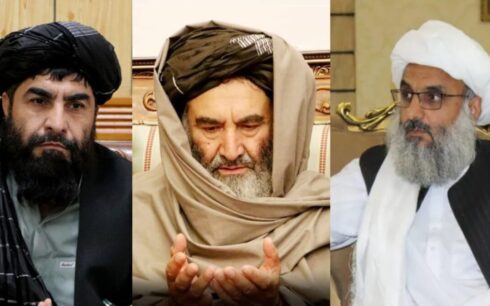
Taliban rejected Pakistan’s claims that Friday’s deadly suicide attack on a Shia mosque near Islamabad was planned from Afghanistan’s territory, calling the allegations irresponsible, premature and without evidence.
In a statement, the Taliban said blaming Afghanistan for the attack amounted to an attempt to deflect attention from Pakistan’s own security failures, urging Islamabad to review its policies instead of accusing others.
The response followed comments by Pakistan’s Defence Minister Khawaja Asif, who said the suicide bombing at a Shia mosque in the Pakistani capital had been organised from Afghanistan with alleged involvement from India.
More than 30 people were killed and over 170 wounded when a suicide bomber struck the mosque during Friday prayers, Pakistani authorities said. Islamic State’s Khorasan affiliate (IS-K) later claimed responsibility for the attack.
Pakistani media reported that the attacker initially opened fire on worshippers at the mosque entrance before detonating explosives inside the compound. The blast shattered windows of the mosque and nearby homes, and injured several security guards who attempted to stop the attacker. Funeral prayers for the victims were held on Saturday, attended by families and local officials.
Pakistan’s senior security officials later said the bomber was not an Afghan national but had travelled to Afghanistan multiple times. Deputy Interior Minister Talal Chaudhry said authorities believed the attacker had received training during those visits.
“The individual who carried out the suicide attack was not an Afghan citizen, but evidence shows he had travelled to Afghanistan repeatedly and received training there,” Chaudhry said.
The Taliban strongly rejected the accusations. In a separate statement, the Taliban-run defence ministry said Pakistani officials should take responsibility for security lapses rather than making what it called baseless claims.
“Such statements lack logic and evidence and are aimed at concealing Pakistan’s security failures,” the defence ministry said.
India also rejected Pakistan’s allegations, calling them unfounded. India’s foreign ministry said it was “regrettable that Pakistan, instead of addressing the serious challenges affecting its social fabric, chooses to blame others to conceal its internal shortcomings.”
The attack drew widespread international condemnation. The United Nations and countries including the United States, Britain, Canada, China, Turkey, Iran and the European Union condemned the bombing and reiterated opposition to terrorism in all its forms.
The Taliban separately condemned the attack on the mosque, saying violence targeting places of worship and civilians violated the sanctity of religious rites.
The Islamabad bombing was the second major militant incident in Pakistan in less than 10 days, amid a surge in attacks that Pakistani authorities have increasingly linked to militant groups they say operate from Afghan territory – allegations the Taliban have consistently denied.
Pakistan has faced a resurgence of militant violence in recent years, with religious minorities and security forces among frequent targets, despite stepped-up security operations across the country.