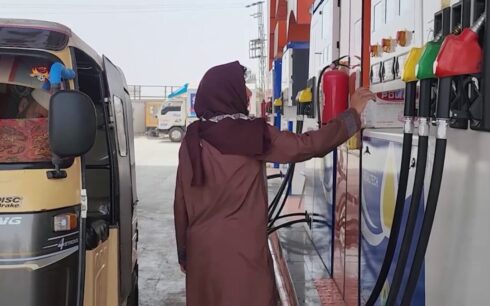
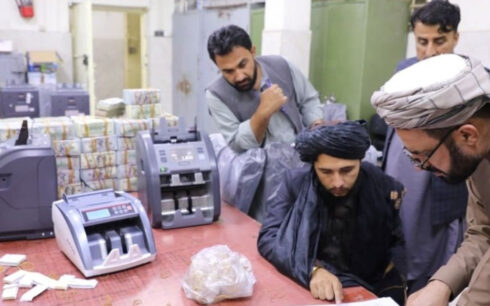
As winter tightens its grip on Afghanistan’s capital, many residents of Kabul say they are facing a growing crisis, the soaring cost of fuel.
With temperatures plummeting and household incomes stagnant, the cost of essential fuels like firewood, coal, and gas has surged in recent weeks, placing an unbearable burden on working-class families and the poor. Locals say they are caught between the punishing cold and the sharply rising costs of staying warm.
“This rise in prices is breaking us,” said Ehsan Yaqoubi, a Kabul resident. “Winter comes every year, but the prices just keep climbing. It hits low-income families and those without steady jobs the hardest.”
Currently, one kharwar (around 560 kg) of firewood sells for between 10,500 and 11,000 afghanis ($150–$160), while a seer (7 kg) of coal costs as much as 100 afghanis, and a kilogram of gas sells for up to 70 afghanis. Many residents say these prices are two to three times higher than in previous winters.
Naheed, another Kabul resident, said, “We cannot afford wood or coal anymore. We have children, we have the elderly. What are we supposed to do?”
According to economists, the price hikes reflect deeper structural issues in the country’s economy, including monopolies and weak regulation. Despite the fact that much of Afghanistan’s fuel—particularly wood and coal—is produced domestically, prices remain beyond the reach of many.
“If prices increase or decrease without changes in supply and demand, it points to market manipulation,” said Abdul Zahoor Mudabir, an economic analyst. “This is the work of mafias. The government must intervene by regulating the market and using fiscal and monetary policy to bring stability.”
The fuel crisis comes amid widespread electricity shortages across Afghanistan. With access to power unreliable in much of the country, many families rely heavily on wood and coal to heat their homes during the long winter months. But for low-income households, that reliance is becoming harder to sustain.
In recent weeks, residents have called on local authorities to act, accusing fuel traders of exploiting seasonal demand. Yet the lack of a formal regulatory framework under the Taliban-led administration has made oversight difficult.
Economists warn that the unchecked rise in fuel costs could have broader consequences, deepening poverty and triggering new social strains in an already fragile country.
“This isn’t just about staying warm,” said Mudabir. “If families are forced to choose between fuel and food, the long-term effects could be devastating.”
Afghanistan’s economy has been in a freefall since the Taliban returned to power in 2021, with sanctions, frozen assets, and the collapse of international aid compounding the hardship.
As another bitter winter unfolds, many Afghans are left wondering how they will make it through.