The head of the Pakistan-Afghanistan Joint Chamber of Commerce and Industry has called on Islamabad to urgently intervene in what he described as a deepening trade crisis with Afghanistan, triggered by the prolonged closure of key border crossings.
Five major border crossings between Afghanistan and Pakistan have remained closed for 39 days.
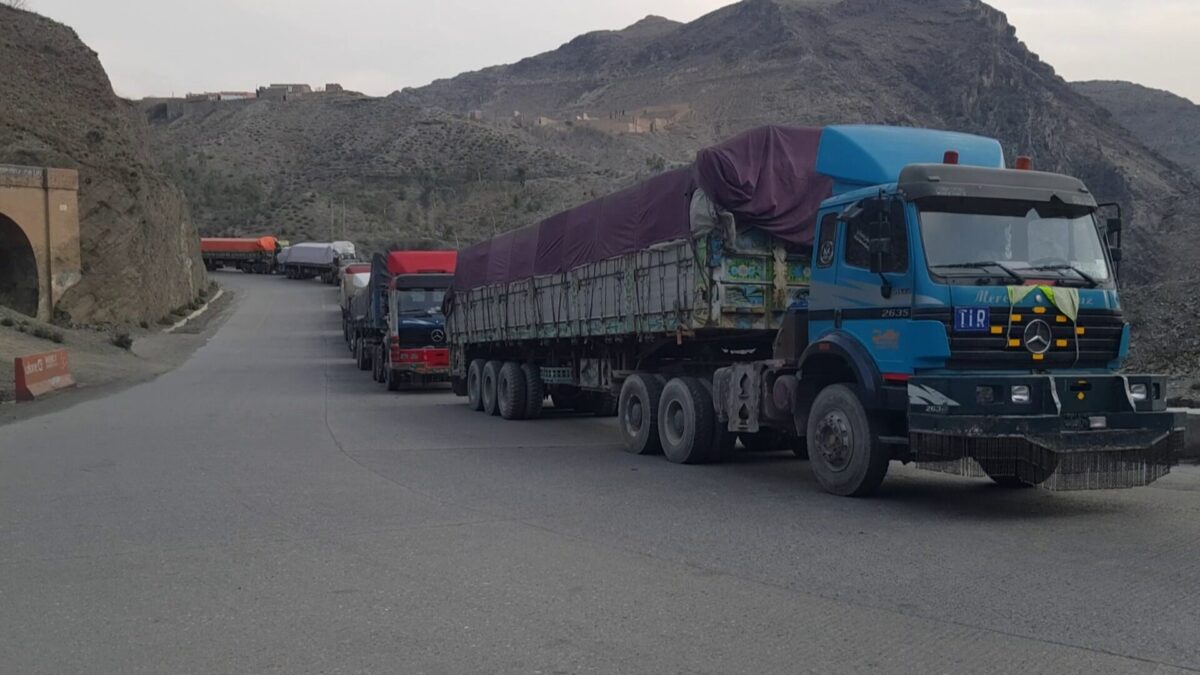
In a letter addressed to Pakistan’s Ministry of Commerce and the Directorate General of Transit Trade, Junaid Makda, chairman of the chamber, warned that the border shutdowns have paralyzed bilateral and transit trade, stranded hundreds of commercial vehicles, and caused cascading losses across supply chains in both countries.
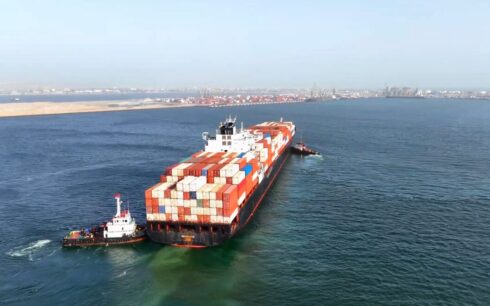
“Thousands of containers, including bilateral and in-transit shipments destined for Central Asia — such as Afghanistan, Uzbekistan, and other regional economies — remain stranded throughout Pakistan,” Makda wrote. “The blockade has resulted in significant financial losses to traders, freight operators, transport companies, and clearing agents, many of whom are Pakistani citizens.”
According to Makda, transporters are now forced to pay between $150 to $200 per day for demurrage and detention charges at ports, with cargo unable to move through crossings such as Torkham, Chaman, and Ghulam Khan. These border points have been shut for over a month, amid escalating tensions between Pakistan and the Taliban-led government in Kabul.
Trade volumes between Pakistan and Afghanistan — once projected to exceed $5 billion annually — have plummeted to under $1 billion, the letter noted, pointing to a steep economic cost for Pakistan’s national revenue and its long-term regional trade ambitions.
“While we fully stand by and respect Pakistan’s national security imperatives, it is equally painful to witness the severe economic distress suffered by stakeholders whose livelihoods are directly dependent on this trade,” Makda wrote. “The economic pressure on traders, transporters, clearing agents, and laborers has now reached a critical point.”
The letter comes as Taliban have also begun limiting trade with Pakistan, halting pharmaceutical imports earlier this month as part of a retaliatory response to border closures and mass deportations of Afghan nationals.
Makda urged Pakistani authorities to prioritize the release of Afghan-bound cargo, reopen all commercial border gates, and establish a relief mechanism for the business community. He also called for a full waiver of demurrage and detention fees, citing the exceptional nature of the crisis.
The chamber’s Afghanistan and Pakistan chapters are in close communication, Makda said, and are “well-positioned to jointly facilitate the resumption of trade.”
As of Tuesday, the Pakistani government had not responded publicly to the appeal. The impasse continues to disrupt cross-border commerce, raising concerns in both capitals over the long-term impact on regional trade stability and economic cooperation.