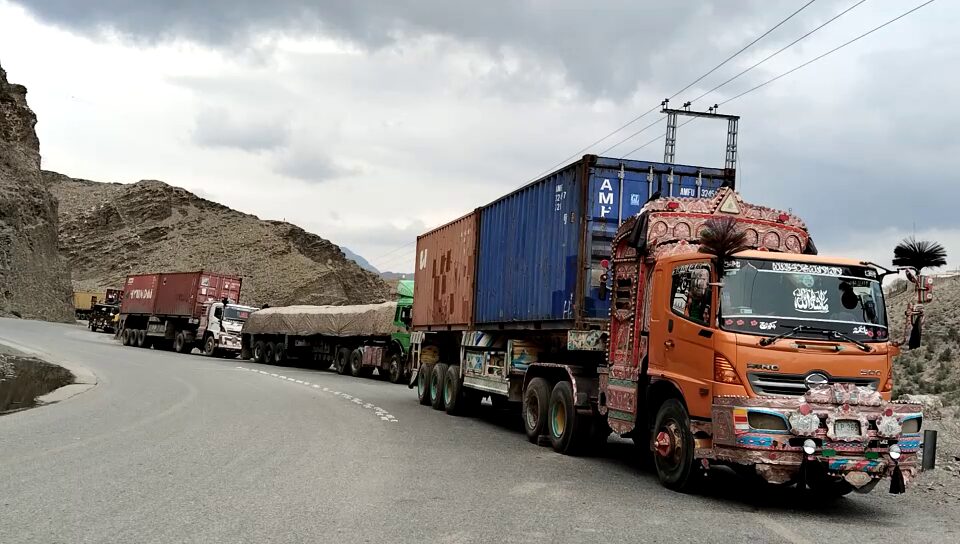
The nearly two-week closure of the Torkham border crossing between Afghanistan and Pakistan has left hundreds of patients, traders and truck drivers stranded, causing what many describe as a worsening humanitarian and economic crisis.
Speaking to Amu TV, travelers, traders and transporters said the shutdown — triggered by recent border clashes between Taliban forces and Pakistani troops — has blocked vital cross-border movement, halted exports of perishable goods, and endangered the lives of patients seeking urgent medical care in Pakistan.
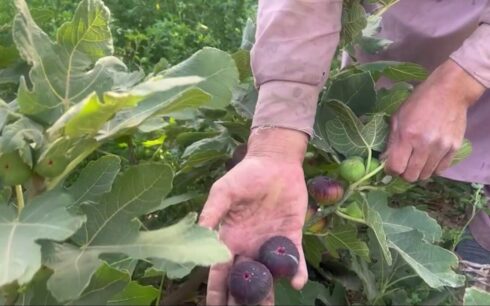
“Our fruit and vegetables are rotting on the trucks,” said a trader stuck on the Afghan side of the crossing. “This is our livelihood, and every day of closure brings more loss.”
Drivers interviewed by Amu TV said they are enduring difficult conditions with limited food, water and security. Many have been waiting in their vehicles for days with little clarity about when the crossing will reopen.
“The expenses are too high, and we’re running out of money,” one truck driver said. “We urge both sides to solve their problems through dialogue and reopen the borders as soon as possible.”
Others echoed frustration over the politicization of trade and transport, urging both the Taliban and Pakistani authorities to separate political disputes from humanitarian and commercial issues.
“The border shouldn’t be used as a political weapon,” another driver said. “We’re just trying to make a living. Our tires are wearing out, and we face the threat of theft at night.”
Torkham was closed earlier this month following heavy fighting between Taliban and Pakistani forces in border areas. Although a cease-fire agreement was later brokered by Qatar and Turkey, the crossing remains sealed to all traffic.
Local sources told Amu TV that all major border crossings between Afghanistan and Pakistan are still shut, except for the Spin Boldak crossing, which was briefly reopened under special conditions for freight trucks on Monday.
On both sides of the border, hundreds of cargo trucks remain stranded.
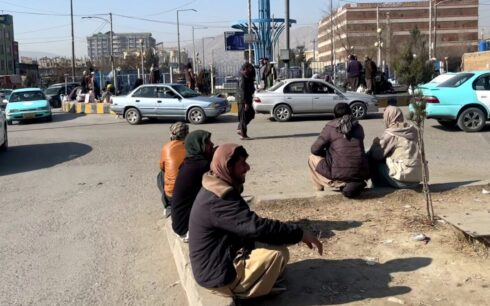
Health workers and relatives of patients also called on both sides to allow humanitarian movement. “There are people who need treatment in Pakistan and they’re suffering here at the border,” said a man accompanying his sick father.
Tensions between the Taliban and Pakistan have escalated in recent weeks, with Islamabad accusing the Taliban of harboring militants from Tehrik-i-Taliban Pakistan (TTP), a claim the Taliban deny. Analysts say the border standoff has already caused millions of afghanis in losses to both countries’ economies.
This comes as a UN monitoring group in a report in September said that TTP has almost 6,000 fighters in Afghanistan.