Pakistan’s Foreign Minister Ishaq Dar said Sunday that his country is awaiting the establishment of a verifiable monitoring mechanism to implement the ceasefire agreement reached with the Taliban in Doha.
In a statement posted on X, Dar welcomed the late-night signing of an “immediate ceasefire” deal between Pakistani and Taliban officials and praised the mediation efforts of Qatar and Turkey.
“This is the first step in the right direction,” he wrote. “We look forward to the establishment of a concrete and verifiable monitoring mechanism at the next meeting, to be hosted by Turkiye, to address the menace of terrorism emanating from Afghan soil toward Pakistan.”
Dar said the oversight structure would be essential in preventing further loss of life and ensuring the ceasefire holds.
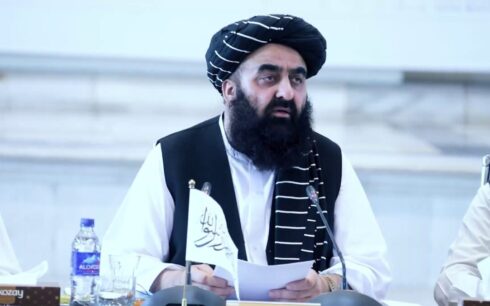
The agreement was signed Saturday night in Doha, ending the first round of peace talks between Taliban and Pakistani defense officials, mediated by Qatar and Turkey. The talks followed a sharp escalation in cross-border violence, including reported Pakistani airstrikes in southeastern Afghanistan and Taliban accusations of territorial violations.
The United Nations Assistance Mission in Afghanistan (UNAMA) said at least 37 civilians were killed and 425 wounded in the past week as a result of the clashes.
Under the ceasefire agreement, both sides pledged to halt military confrontations, establish joint technical committees, and hold follow-up meetings to review implementation and address any violations.
Qatar’s Foreign Ministry called the agreement a “significant step” toward building trust and regional stability.
According to Pakistani media, the negotiations were hosted by Abdullah bin Mohammed Al Khalifa, Qatar’s intelligence chief. Islamabad’s main focus has reportedly been the presence of anti-Pakistan militant groups, including Tehrik-i-Taliban Pakistan (TTP), which it accuses the Taliban of harboring.
The next round of talks is expected to take place in Istanbul on Oct. 25, where officials will discuss details of the monitoring mechanism and future security coordination.