Afghanistan’s economy is showing signs of modest recovery, but widespread poverty, mass displacement, and mounting humanitarian needs continue to strain the country, according to the World Bank’s latest Middle East, North Africa, Afghanistan, and Pakistan (MENAAP) Economic Update.
The report, Jobs and Women: Untapped Talent, Unrealized Growth, projects Afghanistan’s GDP will grow 4.3 percent in fiscal year 2025/26, driven largely by private and government consumption. However, with the population expected to increase 8.6 percent, per capita income is forecast to decline by 4 percent, leaving millions trapped in poverty.
“Sustained population growth and an oversupply of low-skilled labor will continue to limit per capita gains, making poverty reduction difficult,” the report said.
Extreme poverty and overlapping shocks
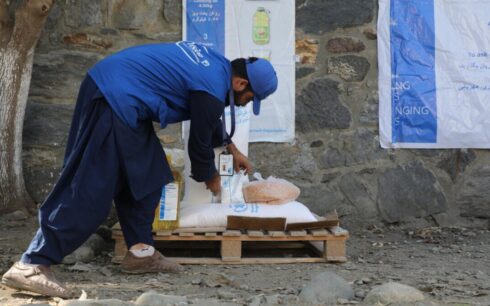
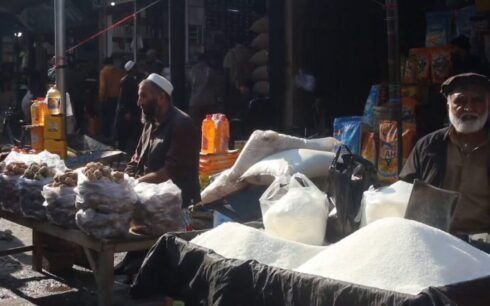
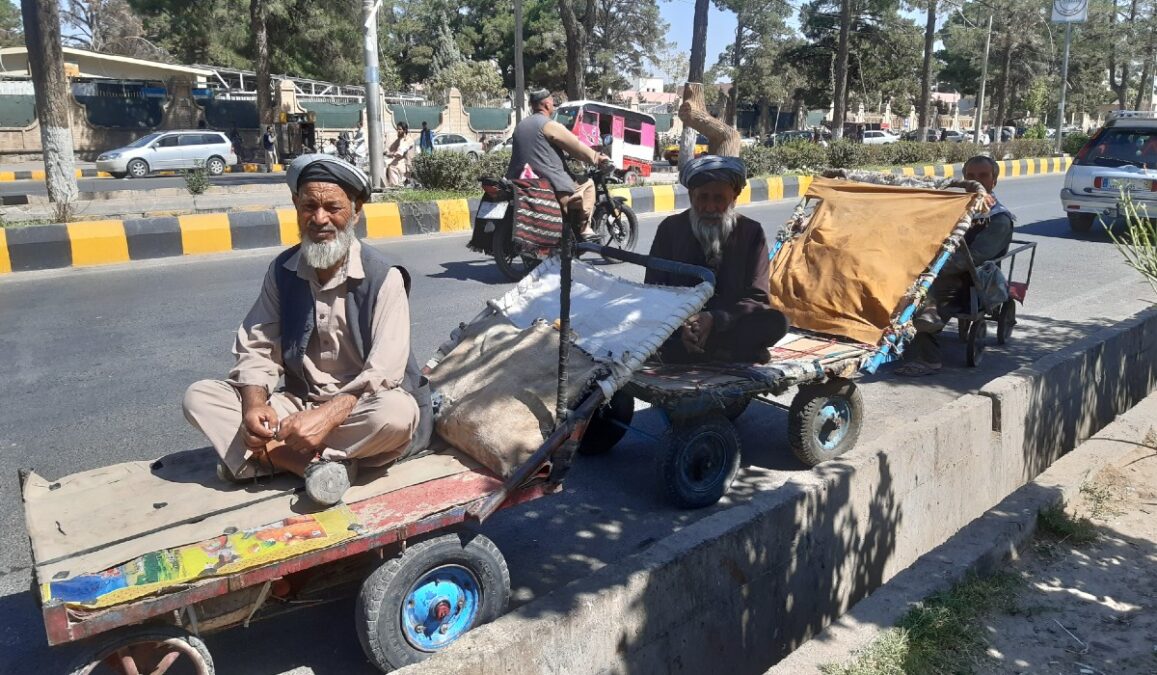
According to the World Bank’s revised estimates, between 15.2 million and 23.8 million Afghans — roughly one in two people — live in extreme poverty, surviving on less than $3.00 a day. That represents up to 25 percent of the total extreme-poor population across the MENAAP region.
The report highlights the combined impact of mass deportations, natural disasters, and fragile governance. Since September 2023, more than 4 million Afghans have returned from Pakistan and Iran, including up to 2.1 million between January and July 2025, many through forced returns. The sudden influx, combined with limited job creation and aid cuts, has overwhelmed Afghanistan’s labor market and public services.
An earthquake in eastern Afghanistan in August 2025 further deepened the crisis, killing more than 2,000 people — the deadliest quake since 1998. Damage is estimated at $183 million, or about 1 percent of GDP, with widespread destruction of livestock and housing in rural areas.
Women and labor force pressures
The World Bank said Afghanistan exemplifies how conflict, restrictions, and social norms push women into “informal, precarious work.” Despite a rise in female labor participation since the Taliban’s return, most women remain confined to home-based, low-paying jobs.
Data from the Afghanistan Welfare Monitoring Survey (AWMS) show that between 2020 and 2023, women’s labor participation grew modestly but unemployment remained high. The share of inactive women — those neither working nor seeking work — dropped from 86 percent to 57 percent, but employment gains were limited mostly to informal sectors.
“Restrictive social norms and bans on women’s education and public employment continue to erode labor-market prospects,” the report said. “Many women who entered the workforce after the takeover are now trapped in low-return, home-based activities.”
Regional context and broader outlook
Across the MENAAP region, the World Bank forecasts economic growth of 2.8 percent in 2025 and 3.3 percent in 2026, with stronger performance in the Gulf Cooperation Council (GCC) countries due to easing oil production cuts and growth in non-oil industries.
However, developing oil exporters — including Iran and Iraq — are projected to see slower or negative growth, while oil importers such as Egypt, Jordan, and Pakistan may benefit from improved private investment and tourism.
In Afghanistan’s case, the World Bank warned that persistent fragility, sanctions, and limited international recognition continue to block long-term recovery. Aid shortfalls have already forced hundreds of health facilities to close in 2025, cutting off millions from medical care and nutrition programs.
Unlocking women’s economic potential
Globally, the report argues that women’s underrepresentation in the workforce remains a major economic constraint across the MENAAP region, where only one in five women participates in formal labor — the lowest rate in the world.
“Increasing female labor force participation could boost GDP per capita by 20 to 30 percent in economies like Egypt, Jordan, and Pakistan,” said Roberta Gatti, the World Bank’s chief economist for the region.
Ousmane Dione, the World Bank’s vice president for MENAAP, urged governments to take “bold, comprehensive measures” to remove structural barriers to women’s employment, calling a vibrant private sector “key to real progress.”
Despite moderate GDP growth projections, the World Bank said Afghanistan’s economic future remains uncertain. The combination of aid dependency, high population growth, fragile governance, and gender exclusion continues to undermine progress.
“Humanitarian needs are rapidly rising, while domestic capacity to cope remains severely limited,” the report warned. “Without structural reforms and inclusive policies, millions of Afghans — particularly women and returnees — will remain trapped in poverty.”