The United Nations marked Sept. 15 as the International Day of Democracy, with Secretary-General António Guterres warning that democracy can only flourish when human rights and broad participation are respected.
“Democracy derives its power from the people — from their voices, choices and participation,” Guterres said in a statement. “It blossoms when the human rights and fundamental freedoms of all people, especially the most vulnerable, are respected.”
The day, designated by the U.N. to promote political participation and oppose authoritarian systems, is celebrated in many countries as a recognition of democratic achievements. But in Afghanistan, residents say democracy has disappeared under Taliban rule.
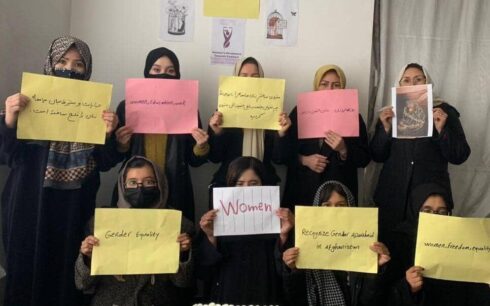
Since retaking power in 2021, the Taliban have banned women and girls from most education and employment and excluded them from leadership and decision-making. Many women say they have been stripped of even the most basic rights.
“In today’s Afghanistan, democracy and social justice do not exist,” a Kabul resident told Amu TV. “We are told laws are based on Islam, but Islam gives people the right to determine their future and guarantees freedoms. Now we are deprived of all those rights, and life has become very difficult.”
Political analysts argue that the Taliban’s restrictions have undermined social and economic development. “By closing off avenues of participation, the Taliban have disrupted the path to progress,” said Sardar Mohammad Rahimi, a university professor. “Afghanistan has again become a closed and isolated society, making stability and development unlikely.”
According to U.N. reports, Afghans — particularly women and girls — have faced widespread rights violations over the past four years. Many have been barred from education, work and civic life.
After the fall of the Taliban’s first regime in 2001, a new constitution granted Afghans the right to vote, political participation and civil freedoms. But with the Taliban’s return in 2021, those gains have been rolled back. Free elections no longer exist, political participation has ended and freedom of expression has been sharply restricted.