Taliban are directing the content of Friday sermons across the country, instructing imams to deliver certain messages that often focus on restrictions for women and girls, local sources said.
Sources told Amu that the Taliban-run Ministry of Hajj and Religious Affairs, working with Taliban security agencies, provides weekly guidance on sermon topics. Imams said they are not permitted to choose their own subjects for Friday prayers or other public religious talks.
Sources said imams are regularly told to promote the Taliban’s law on the Promotion of Virtue and Prevention of Vice, a regulation that imposes strict limits on women’s freedoms.
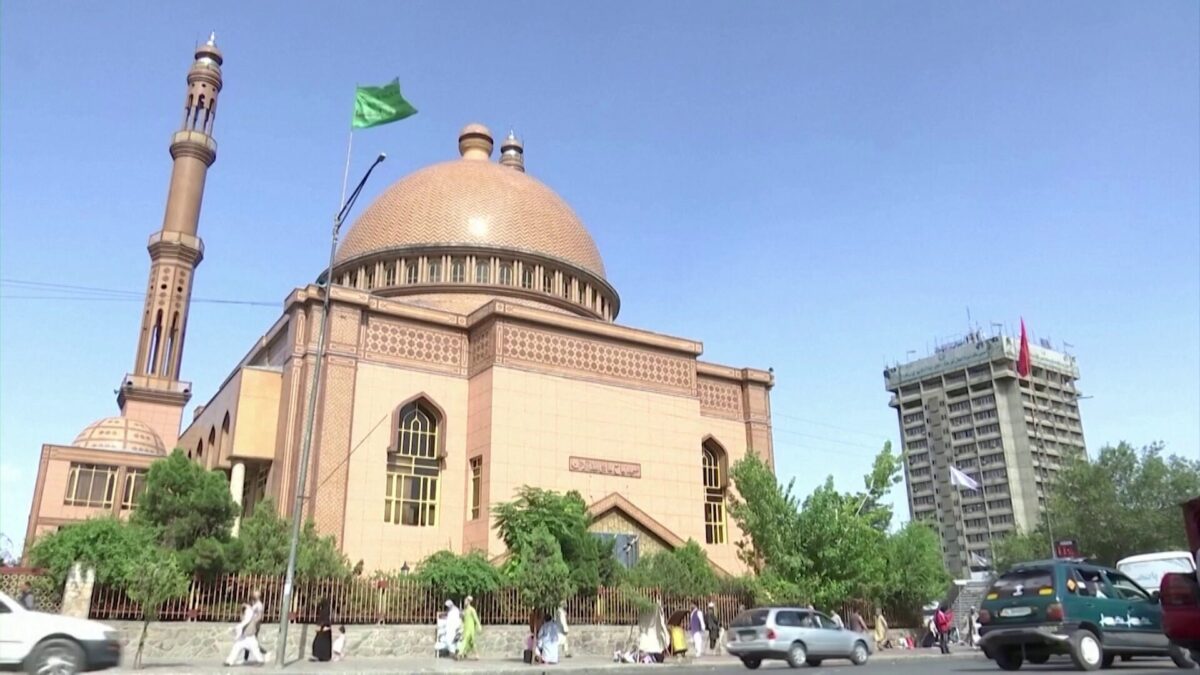
At Kabul’s Abdul Rahman Khan Grand Mosque, Imam Mahmoud Zakeri recently told hundreds of male worshippers that women should remain at home and cover their faces completely. “When you go outside, only one eye may remain open so you can see the way. For anything else, you are not permitted,” he said in a sermon that echoed the Taliban’s hard‑line stance on hijab.
Residents said the mandatory messaging has stripped mosques of their spiritual role. “Instead of hearing the voice of truth and justice, we hear hatred and discrimination,” one Kabul resident said. Another said mosque loudspeakers have, for four years, been “used to insult and humiliate women.”
The Taliban first codified their virtue and vice law in 2023. Since then, their morality enforcers have been widely deployed to enforce its provisions. In recent weeks, the units have inspected restaurants, clinics, shops and even private vehicles, and have detained women accused of failing to comply with the group’s dress codes.
Taliban leader Hibatullah Akhundzada has repeatedly urged clerics to support the full implementation of what he calls Sharia law. During a meeting with Taliban scholars in Herat this year, he emphasized the need for strict adherence to the virtue and vice code.
International criticism of the policies has intensified. In April, the International Criminal Court issued arrest warrants for Akhundzada and Taliban Chief Justice Abdul Hakim Haqqani on charges of crimes against humanity, including gender‑based persecution.
Rights groups say using mosques to reinforce restrictive edicts risks entrenching discrimination and silencing dissent. They say the Taliban are using religion “as a tool to enforce their authority and strip women of basic rights.”