The Taliban have transformed Afghanistan’s justice system into a weapon of repression, using courts and religious policing to entrench their power and silence dissent, according to a report of the Special Inspector General for Afghanistan Reconstruction (SIGAR), released on July 30.
The quarterly report to Congress described a legal system wielded not to ensure fairness but to control daily life. The Taliban’s interpretation of Sharia law, the watchdog wrote, functions “as a mechanism for subjugation rather than safety” — keeping Afghans “in a state of fear and repression.”
Women ‘erased from public life’
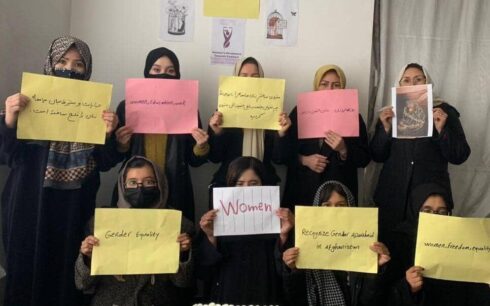
The most severe impact, SIGAR said, has been borne by women. The report concluded that Afghan women have been “systematically deprived of their human rights under an institutionalized system of discrimination, oppression, and domination amounting to crimes against humanity.”
Girls remain barred from education beyond sixth grade. Women face tight restrictions on dress, mobility, and employment, with Taliban enforcers empowered by the 2024 Law for the Promotion of Virtue and Prevention of Vice to detain and punish on the spot. The United Nations recently estimated that Afghan women enjoy only 17 percent of the freedoms available to men, with progress since 2001 effectively erased.
Backtracking on Doha
SIGAR also accused the Taliban of reneging on the 2020 Doha Agreement, which paved the way for the U.S. military withdrawal. The group has refused to share power, monopolizing government with loyalists and excluding minorities, women, and political opponents.
Militant groups remain active, the report noted. ISIS-Khorasan has launched mass-casualty bombings in Kabul, Nangarhar, and Badakhshan, while al-Qaeda continues to maintain ties with Taliban leaders. “The threat remains significant,” SIGAR warned.
Collapse of US aid
The report arrives amid a sweeping cutoff of U.S. assistance to Afghanistan. In July, the US Agency for International Development shut down operations worldwide, canceling more than 5,300 awards worth nearly $76 billion, including emergency food aid to Afghanistan.
The sudden halt, aid officials warned, has had “devastating impacts on the country’s most vulnerable communities.” Nearly 12.6 million Afghans now face acute food insecurity, SIGAR said, while 3.5 million children suffer from wasting. The U.N. estimates that 90 percent of Afghan children live in food poverty.
Recognition abroad, warrants at The Hague
While Russia formally recognized the Taliban government in July — the first country to do so — the International Criminal Court took the opposite step, issuing arrest warrants for Taliban leader Haibatullah Akhundzada and his chief justice, Abdul Hakim Haqqani, for crimes against humanity targeting women.
SIGAR said the recognition from Moscow may encourage Central and South Asian states to follow suit, further isolating Western powers and complicating efforts to hold the Taliban accountable.
This was SIGAR’s last Quarterly Report to the U.S. Congress. Before shutting down in September after 17 years of oversight, it will produce two more final reports – a “Lessons Learned” report about how lessons in Afghanistan, Gaza, Syria, and elsewhere can be applied to future situations where aid missions face interference in undemocratic countries, and a final forensic audit of U.S. spending on Afghanistan Reconstruction.
Since 2008, the office has documented at least $24 billion in U.S. aid lost to waste, fraud, and abuse, while recovering or saving $4.39 billion for American taxpayers.
Reflecting on the costs of the war — more than 2,400 American troops killed, thousands wounded, and an estimated $2 trillion spent — acting Inspector General Gene Aloise wrote that “despite these sacrifices, the United States failed to achieve its strategic objectives in Afghanistan.”
The report warned that in the absence of reform and international oversight, the Taliban will continue to “abuse the justice system to suppress Afghans and maintain their grip on power” — with dangerous consequences for human rights, stability and global security.