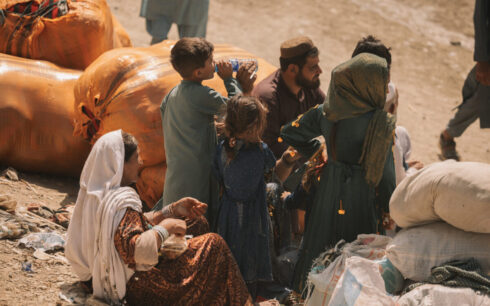
Iranian authorities say more than 772,000 migrants have been sent back to Afghanistan since late March, with the vast majority crossing through the Dogharoon, Milak, and Mahirud border checkpoints.
Naderyar Ahmadi, head of the Bureau for Aliens and Foreign Immigrants Affairs, described the returnees as “unauthorized foreign nationals” and emphasized that the expulsions were part of a broader effort to manage irregular migration.
Although Iranian officials have previously claimed that most of the returns are voluntary, United Nations agencies have said more than 70 percent of Afghans are being forcibly deported, often without due process or warning.
The surge in returns comes amid warnings from the United Nations High Commissioner for Refugees (UNHCR) that Iran is expelling Afghan migrants at an average rate of 50,000 people per day — placing immense strain on Afghanistan’s already overwhelmed border provinces and humanitarian infrastructure.
The UN refugee agency has also revised its projections, warning that as many as three million Afghans could return by the end of 2025, a sharp increase over earlier estimates.
“What we are witnessing now is a massive, chaotic, and inhumane exodus of Afghans from Iran and Pakistan,” said Arafat Jamal, UNHCR’s representative in Afghanistan, during a virtual briefing from Kabul on Friday. “It is putting extraordinary pressure on a country that, while willing to receive returnees, is in no position to manage this scale of displacement.”
According to UNHCR data, more than 1.6 million Afghans returned to the country in the first six months of 2025 alone, exceeding initial forecasts for the entire year. The vast majority of those returnees came from Iran.
The continued wave of deportations has sparked growing concern among aid agencies, who say Afghanistan’s economic collapse and deteriorating human rights conditions make reintegration efforts increasingly difficult — especially for returnees arriving without identification, housing, or support networks.